

Introduction
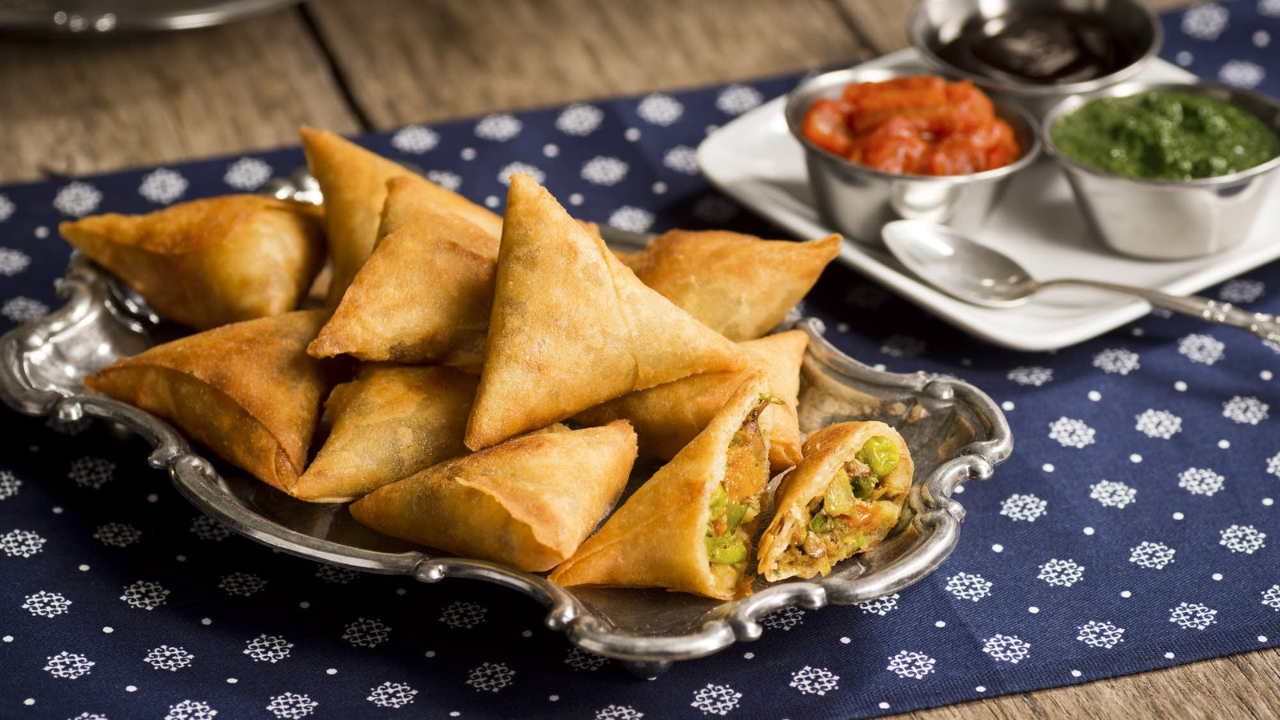
Samosa, a quintessential Indian snack, is a crispy, golden-brown pastry filled with a savory mixture of spiced potatoes and green peas. This beloved dish is not only a staple in Indian households but has also gained immense popularity worldwide. Whether you’re hosting a party, enjoying a rainy evening, or simply craving a delicious snack, samosas are the perfect choice. In this article, we will delve into the art of making the perfect samosa, exploring its history, ingredients, preparation techniques, and tips to ensure your samosas turn out crispy and flavorful every time.
The History of Samosa
The samosa has a rich history that dates back to the Middle Ages. Originating in the Middle East, it was introduced to the Indian subcontinent by traders and travelers. Over time, the samosa evolved to incorporate local flavors and ingredients, becoming an integral part of Indian cuisine. Today, it is enjoyed in various forms across the globe, from the spicy samosas of India to the meat-filled sambusaks of the Middle East.
Ingredients for Samosa
To make the perfect samosa, you’ll need the following ingredients:
For the Dough:
- 2 cups all-purpose flour (maida)
- 1/4 cup ghee or oil
- 1/2 teaspoon salt
- 1/2 teaspoon carom seeds (ajwain)
- Water, as needed
For the Filling:
- 3 medium-sized potatoes, boiled and peeled
- 1/2 cup green peas, boiled
- 1 tablespoon oil
- 1 teaspoon cumin seeds
- 1 teaspoon ginger, finely chopped
- 1-2 green chilies, finely chopped
- 1/2 teaspoon turmeric powder
- 1 teaspoon coriander powder
- 1/2 teaspoon garam masala
- 1/2 teaspoon amchur (dry mango powder)
- Salt to taste
- Fresh coriander leaves, chopped
For Frying:
- Oil, for deep frying
Step-by-Step Preparation
1. Preparing the Dough:
- Mixing the Ingredients: In a large mixing bowl, combine the all-purpose flour, salt, and carom seeds. Add the ghee or oil and mix well until the flour resembles breadcrumbs. This step is crucial as it ensures the dough is flaky and crispy.
- Kneading the Dough: Gradually add water and knead the mixture into a firm dough. The dough should not be too soft or too hard. Cover it with a damp cloth and let it rest for at least 30 minutes. This resting period allows the gluten to relax, making the dough easier to roll out.
2. Preparing the Filling:
- Mashing the Potatoes: While the dough is resting, prepare the filling. Mash the boiled potatoes in a large bowl. Ensure there are no large lumps, but the potatoes should not be too smooth either.
- Cooking the Spices: Heat oil in a pan and add the cumin seeds. Once they start to splutter, add the chopped ginger and green chilies. Sauté for a few seconds until fragrant.
- Adding the Spices: Add the turmeric powder, coriander powder, garam masala, and amchur. Stir well to combine the spices.
- Incorporating the Vegetables: Add the mashed potatoes and boiled green peas to the pan. Mix well, ensuring the spices are evenly distributed. Cook for 2-3 minutes, allowing the flavors to meld together.
- Finishing Touches: Add salt to taste and garnish with freshly chopped coriander leaves. Remove the filling from the heat and let it cool completely before using.
3. Assembling the Samosas:
- Dividing the Dough: After the dough has rested, divide it into equal-sized balls. Roll each ball into a smooth round shape.
- Rolling the Dough: Roll out each ball into a thin oval or circular shape, about 6-7 inches in diameter. Cut the rolled dough in half to form two semi-circles.
- Forming the Cone: Take one semi-circle and fold it into a cone shape. Seal the edges with a little water to ensure they stick together.
- Filling the Cone: Fill the cone with the prepared potato and green pea filling. Be careful not to overfill, as this can make sealing difficult.
- Sealing the Samosa: Seal the open edge of the cone by pressing the edges together. Ensure the samosa is tightly sealed to prevent the filling from leaking during frying.
4. Frying the Samosas:
- Heating the Oil: Heat oil in a deep frying pan or kadhai over medium heat. The oil should be hot but not smoking. To test the temperature, drop a small piece of dough into the oil; if it rises to the surface slowly, the oil is ready.
- Frying the Samosas: Gently slide the samosas into the hot oil. Fry them on medium heat until they turn golden brown and crispy. Avoid frying on high heat, as this can result in undercooked samosas with a burnt exterior.
- Draining Excess Oil: Once the samosas are golden brown, remove them from the oil using a slotted spoon and place them on a plate lined with paper towels to drain excess oil.
Tips for Perfect Samosas
- Consistency of the Dough: The dough should be firm and not too soft. If the dough is too soft, the samosas may absorb too much oil and become greasy.
- Resting the Dough: Allowing the dough to rest is essential. It makes the dough easier to roll out and results in a flakier texture.
- Cooling the Filling: Ensure the filling is completely cool before assembling the samosas. A hot filling can make the dough soggy and difficult to handle.
- Sealing the Edges: Properly sealing the edges of the samosas is crucial to prevent the filling from leaking during frying. Use a little water or flour paste to seal the edges securely.
- Frying Temperature: Maintain a medium heat while frying. Too high heat can burn the samosas, while too low heat can make them oily.
Serving Suggestions
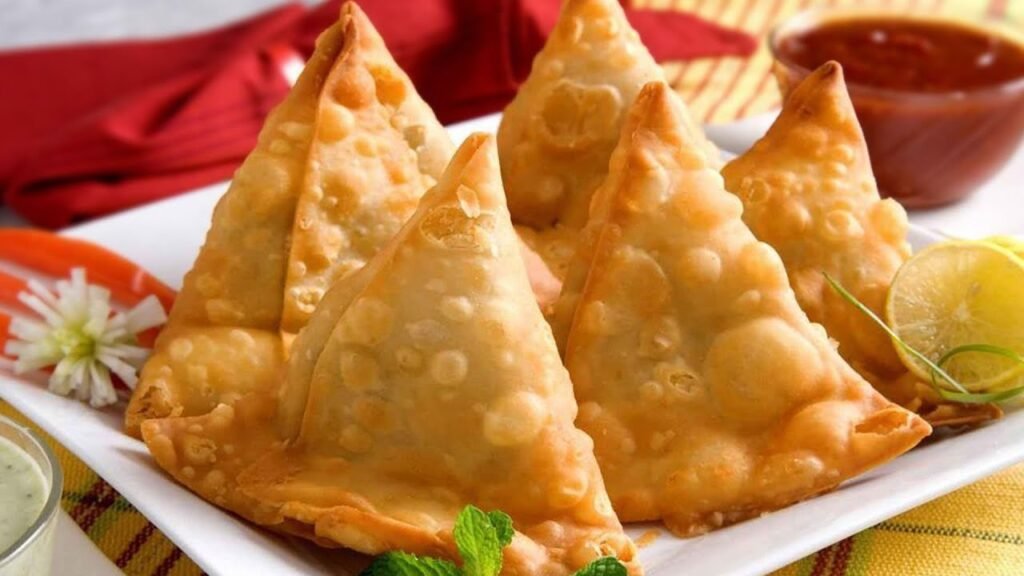
Samosas are best served hot with a variety of chutneys and sauces. Here are a few serving suggestions:
- Mint Chutney: A refreshing mint chutney made with fresh mint leaves, coriander, green chilies, and lemon juice pairs perfectly with samosas.
- Tamarind Chutney: A sweet and tangy tamarind chutney adds a delightful contrast to the spicy samosas.
- Ketchup: For a quick and easy option, serve samosas with tomato ketchup.
- Yogurt Dip: A cool yogurt dip with a hint of spices can balance the heat of the samosas.
Variations of Samosa
While the classic potato and green pea filling is a favorite, there are numerous variations of samosas that cater to different tastes and dietary preferences:
- Vegetable Samosa: Add a mix of finely chopped vegetables like carrots, beans, and cauliflower to the filling for a more nutritious option.
- Paneer Samosa: Replace the potatoes with crumbled paneer (Indian cottage cheese) for a rich and creamy filling.
- Meat Samosa: For non-vegetarian options, use minced meat (chicken, lamb, or beef) cooked with spices as the filling.
- Cheese Samosa: Add grated cheese to the potato filling for a gooey, cheesy twist.
- Sweet Samosa: Experiment with sweet fillings like coconut and jaggery or a mixture of dry fruits and nuts for a dessert version.
Healthier Alternatives
For those looking for healthier options, here are a few alternatives to traditional samosas:
- Baked Samosas: Instead of deep frying, bake the samosas in a preheated oven at 180°C (350°F) until golden brown. This reduces the oil content significantly.
- Whole Wheat Dough: Use whole wheat flour instead of all-purpose flour for a healthier dough option.
- Air-Fried Samosas: Air-fry the samosas for a crispy texture with minimal oil.
Conclusion
Samosas are more than just a snack; they are a culinary experience that brings people together. With their crispy exterior and flavorful filling, they are sure to be a hit at any gathering. By following this detailed recipe and tips, you can master the art of making perfect samosas at home. Whether you stick to the classic potato and green pea filling or experiment with different variations, samosas are a versatile dish that can be enjoyed in countless ways. So, roll up your sleeves, gather your ingredients, and embark on a delicious journey to create the ultimate samosas that will leave everyone craving for more.
-
Homemade Vegetarian Pizza: A Step-by-Step Guide to Pizza Perfection
-
Multigrain Methi Thepla Recipe: A Nutritious Gujarati Delight
-
Methi Matar Malai Recipe: A Creamy, Rich Delight to Savor
-
Eggless Vanilla Cake Recipe (Moist & Flavorful Sponge): A Celebration of Simplicity