
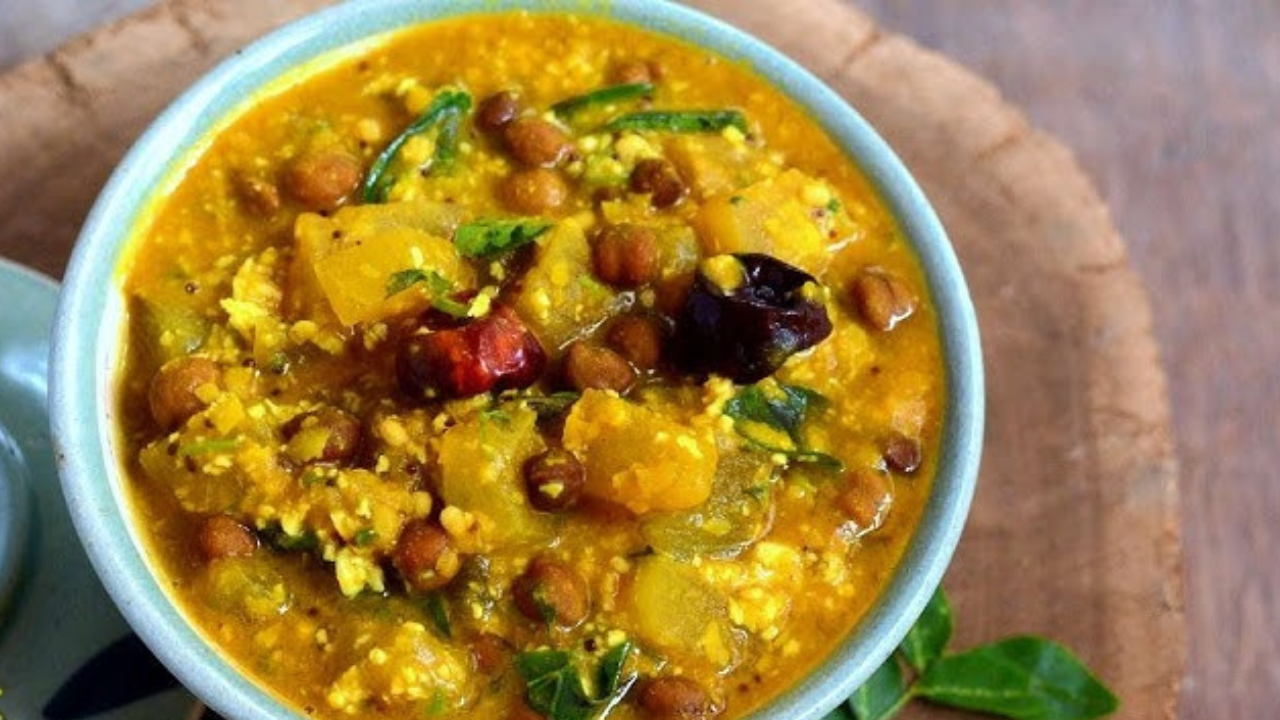

Poosanikai Kootu, also known as Poricha Kootu or White Pumpkin Kootu, is a classic South Indian dish that embodies the essence of comfort food. This humble yet flavorful dish is a staple in Tamil Nadu households, celebrated for its simplicity, nutritional value, and versatility. Made with white pumpkin (ash gourd), lentils, and a blend of aromatic spices, Poosanikai Kootu is a perfect example of how traditional Indian cooking transforms basic ingredients into a wholesome and satisfying meal. In this article, we’ll explore the cultural significance of this dish, its health benefits, and provide a step-by-step guide to making it. We’ll also share tips, variations, and pairing suggestions to help you master this traditional recipe. So, let’s dive into the world of Poosanikai Kootu and discover why it’s a beloved dish in South Indian cuisine.
The Cultural Significance of Poosanikai Kootu
Poosanikai Kootu holds a special place in South Indian culinary traditions. Kootu, which means “mixture” or “combination” in Tamil, refers to a category of dishes that combine vegetables and lentils, cooked with a blend of spices and often finished with a tempering of mustard seeds, curry leaves, and other aromatics. This dish is particularly popular in Tamil Nadu, where it is often served as part of a traditional meal alongside rice, sambar, rasam, and curd.
White pumpkin, the star ingredient of this dish, is known for its mild flavor and high water content, making it a cooling and hydrating vegetable. It is often used in Ayurvedic cooking for its digestive and detoxifying properties. The combination of white pumpkin and lentils not only creates a balanced meal but also reflects the resourcefulness of South Indian cooking, where simple, locally available ingredients are transformed into nourishing and delicious dishes.
Why You’ll Love Poosanikai Kootu
Poosanikai Kootu is more than just a dish; it’s a celebration of tradition, health, and flavor. Here’s why you’ll love it:
- Nutrient-Dense: Packed with vitamins, minerals, and protein from the lentils, this dish is a wholesome addition to any meal.
- Comforting and Satisfying: The creamy texture of the lentils and the mild sweetness of the white pumpkin make this dish incredibly comforting.
- Versatile: It can be served as a side dish, a main course, or even as a soup.
- Easy to Make: With simple ingredients and straightforward cooking methods, this dish is perfect for both beginners and experienced cooks.
- Dietary-Friendly: It’s naturally vegetarian, gluten-free, and can easily be made vegan.
Ingredients You’ll Need
To make Poosanikai Kootu, gather the following ingredients:
For the Kootu:
- 2 cups white pumpkin (poosanikai), peeled and cubed
- 1/2 cup split yellow moong dal (or toor dal)
- 1/2 teaspoon turmeric powder
- Salt to taste
- 1/2 cup grated coconut (fresh or frozen)
- 2-3 green chilies (adjust to taste)
- 1 teaspoon cumin seeds
- 1/2 cup water (for grinding)
For the Tempering:
- 1 tablespoon coconut oil or ghee
- 1 teaspoon mustard seeds
- 1 teaspoon urad dal (split black gram)
- 1/2 teaspoon asafoetida (hing)
- 2-3 dried red chilies
- A few curry leaves
Step-by-Step Instructions
Now that you have all your ingredients ready, let’s walk through the process of making Poosanikai Kootu.
Step 1: Cook the Lentils and Pumpkin
- Rinse the Dal: Rinse the moong dal or toor dal under cold water until the water runs clear.
- Pressure Cook: In a pressure cooker, combine the rinsed dal, cubed white pumpkin, turmeric powder, and salt. Add 2 cups of water and pressure cook for 3-4 whistles, or until the dal and pumpkin are soft and cooked through. If you don’t have a pressure cooker, you can cook them in a pot until tender.
- Mash Lightly: Once cooked, lightly mash the dal and pumpkin mixture using the back of a spoon. Set aside.
Step 2: Prepare the Coconut Paste
- Grind the Ingredients: In a blender or mixer, combine the grated coconut, green chilies, and cumin seeds. Add 1/2 cup water and grind to a smooth paste.
- Set Aside: Transfer the coconut paste to a bowl and set aside.
Step 3: Combine and Cook
- Mix the Paste and Cooked Dal: Add the coconut paste to the cooked dal and pumpkin mixture. Stir well to combine.
- Simmer: Place the pot on medium heat and let the mixture simmer for 5-7 minutes, allowing the flavors to meld together. Add more water if needed to achieve your desired consistency.
Step 4: Prepare the Tempering
- Heat the Oil: In a small pan, heat the coconut oil or ghee over medium heat.
- Add Mustard Seeds: Once the oil is hot, add the mustard seeds and let them splutter.
- Add Urad Dal: Add the urad dal and sauté until it turns golden brown.
- Add Aromatics: Add the asafoetida, dried red chilies, and curry leaves. Sauté for a few seconds until fragrant.
- Pour Over the Kootu: Pour the tempering over the cooked kootu and mix well.
Step 5: Serve and Enjoy
- Garnish: Optionally, garnish with fresh coriander leaves.
- Serve Hot: Serve the Poosanikai Kootu hot with steamed rice, ghee, and a side of papad or pickle.
Tips for Perfect Poosanikai Kootu
- Choose Fresh White Pumpkin: Look for firm, unblemished white pumpkin with a pale green or white skin. Fresh pumpkin has a mild sweetness and tender texture.
- Adjust Consistency: The consistency of kootu can be adjusted to your preference. Add more water for a thinner consistency or simmer longer for a thicker one.
- Use Fresh Coconut: Freshly grated coconut enhances the flavor of the dish. If unavailable, frozen grated coconut works well too.
- Temper with Care: The tempering is a crucial step that adds depth and aroma to the dish. Ensure the mustard seeds splutter and the urad dal turns golden brown for the best flavor.
- Experiment with Spices: Feel free to add a pinch of fenugreek powder or curry powder for an extra layer of flavor.
Variations and Customizations
Poosanikai Kootu is a versatile dish that can be customized to suit your taste and dietary preferences:
- Add Vegetables: Incorporate other vegetables like carrots, beans, or peas for added nutrition and flavor.
- Use Different Lentils: While moong dal and toor dal are traditional, you can experiment with chana dal or masoor dal.
- Make It Creamier: Add a splash of coconut milk for a richer, creamier texture.
- Spice It Up: Increase the number of green chilies or add a pinch of red chili powder for extra heat.
- Vegan Option: Use coconut oil instead of ghee for a vegan-friendly version.
Pairing Suggestions
Poosanikai Kootu is a versatile dish that pairs beautifully with a variety of South Indian staples:
- Steamed Rice: Serve with plain or jeera rice for a comforting meal.
- Rasam: Pair with tangy rasam for a balanced and flavorful combination.
- Papad or Appalam: Add a crispy papad or appalam for texture.
- Pickle: A side of tangy mango pickle or lemon pickle complements the mild flavors of the kootu.
- Yogurt: Serve with a bowl of plain yogurt or curd rice for a cooling contrast.
The Nutritional Benefits of Poosanikai Kootu
This dish is not only delicious but also packed with nutrients:
- White Pumpkin: Low in calories and high in water content, white pumpkin is rich in vitamins A and C, and aids in digestion and hydration.
- Moong Dal: A great source of plant-based protein, fiber, and essential minerals like iron and potassium.
- Coconut: Provides healthy fats and adds a rich, creamy texture to the dish.
- Spices: Turmeric, cumin, and asafoetida have anti-inflammatory and digestive properties.
Frequently Asked Questions
Can I use other types of pumpkin?
Yes, you can use yellow pumpkin or butternut squash as a substitute, though the flavor and texture may vary slightly.
How do I store leftovers?
Store leftover kootu in an airtight container in the refrigerator for up to 2 days. Reheat on the stovetop or in the microwave before serving.
Can I freeze Poosanikai Kootu?
Yes, you can freeze the kootu for up to a month. Thaw in the refrigerator overnight and reheat before serving.
Is this dish suitable for kids?
Yes, the mild flavors and soft texture make it a great option for kids. Adjust the spice level to suit their taste.
Conclusion
Poosanikai Kootu is a timeless South Indian dish that celebrates the beauty of simple, wholesome ingredients. Its creamy texture, mild flavors, and nutritional benefits make it a favorite in households across Tamil Nadu and beyond. Whether you’re new to South Indian cuisine or a seasoned cook, this dish is a must-try for its comfort, flavor, and cultural significance.
So, the next time you’re in the mood for a nourishing and satisfying meal, give Poosanikai Kootu a try. With its rich history, versatile ingredients, and effortless preparation, it’s a dish that will warm your heart and soul.
Happy Cooking!
-
Homemade Vegetarian Pizza: A Step-by-Step Guide to Pizza Perfection

There’s something undeniably magical about a homemade pizza—fresh dough stretched by hand, vibrant toppings layered with care, and the aroma of melting cheese wafting through the kitchen. When it comes to vegetarian pizza, the possibilities are endless, turning simple ingredients into a feast for the senses. This recipe for homemade vegetarian pizza is your ticket…
-
Multigrain Methi Thepla Recipe: A Nutritious Gujarati Delight
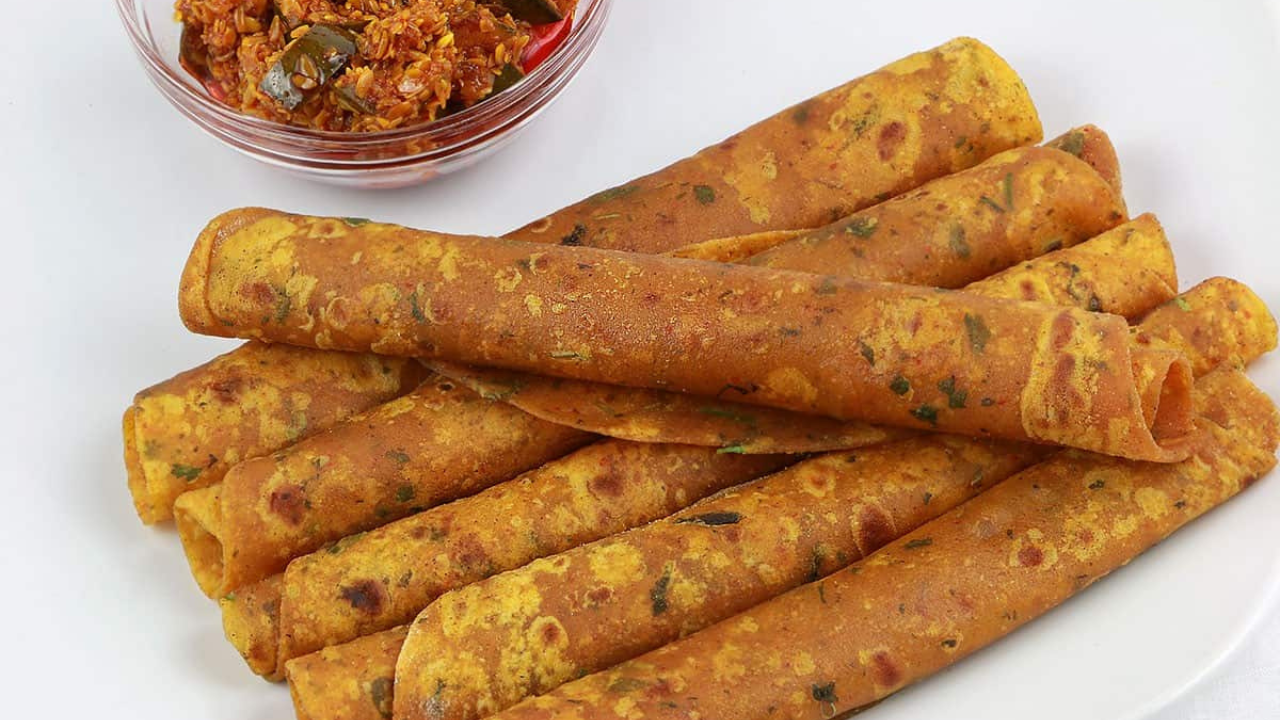
When it comes to Indian flatbreads, few can rival the versatility and wholesome appeal of thepla. Hailing from the vibrant state of Gujarat, thepla is a spiced, flavorful flatbread that’s as much a staple as it is a culinary treasure. While traditional thepla is made with wheat flour and fenugreek leaves (methi), this multigrain methi…
-
Methi Matar Malai Recipe: A Creamy, Rich Delight to Savor
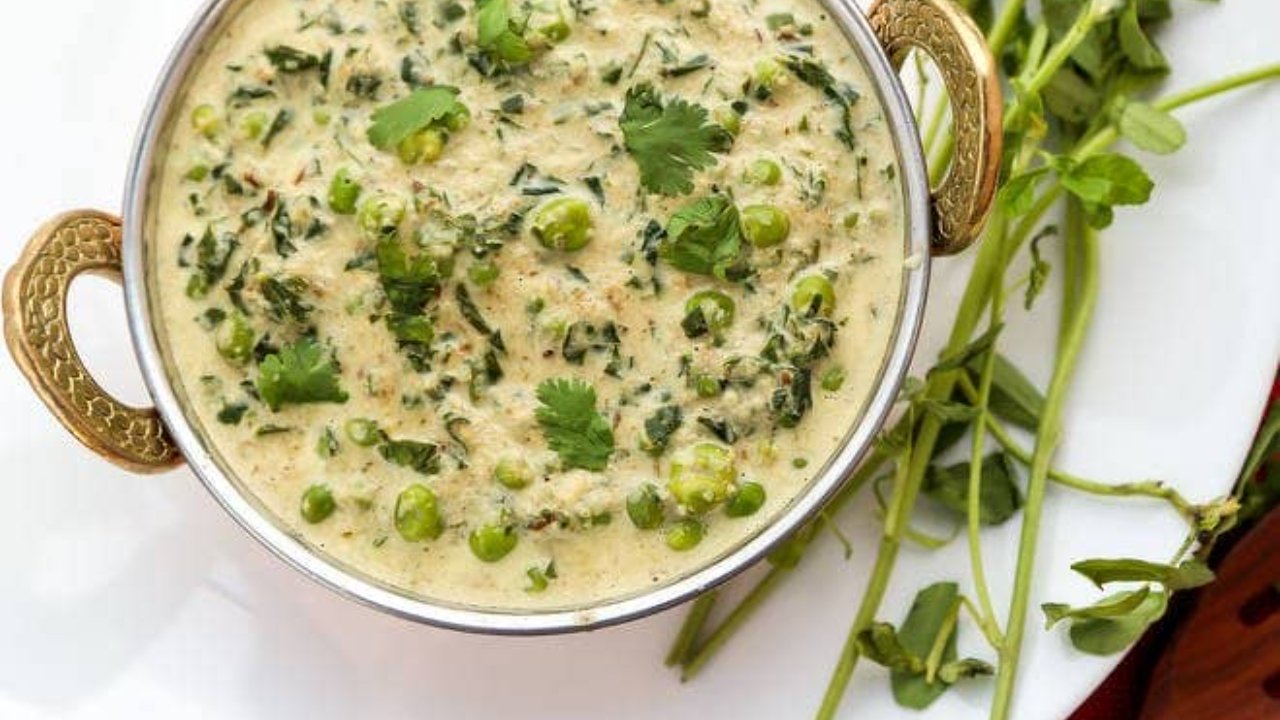
If you’re a fan of Indian cuisine, you’ve likely encountered dishes that strike a perfect balance between bold flavors and comforting richness. Methi Matar Malai is one such gem—a creamy, aromatic curry that combines the earthy bitterness of fenugreek leaves (methi), the natural sweetness of green peas (matar), and the indulgent smoothness of cream (malai).…