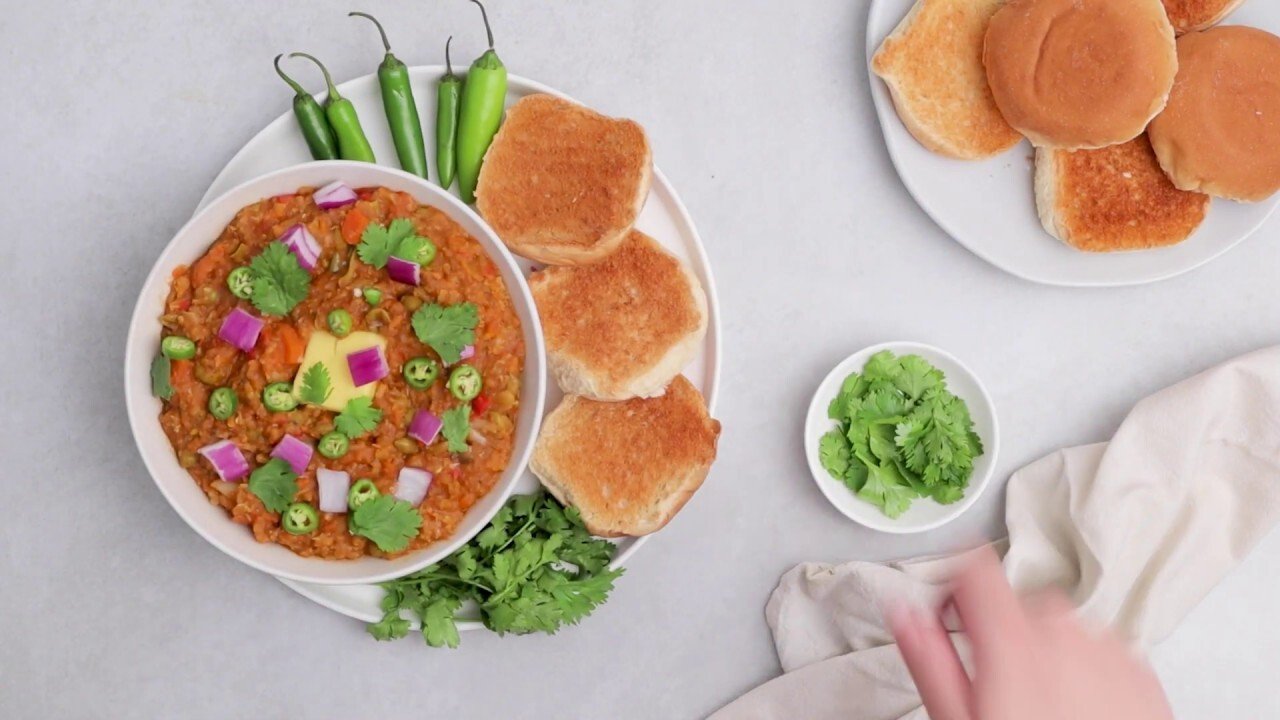

Few dishes capture the vibrant spirit of Indian street food quite like Pav Bhaji. This irresistible medley of spicy, buttery vegetable mash served with soft, toasted buns—known as pav—is a beloved comfort food across India and beyond. Whether enjoyed at a bustling Mumbai roadside stall or recreated in your kitchen, its bold flavors and satisfying texture make it a crowd-pleaser. In this comprehensive guide, we’ll walk you through how to make Pav Bhaji using both the traditional stovetop method and the modern Instant Pot approach. From its origins to step-by-step instructions, ingredient breakdowns, and creative twists, this recipe will bring the taste of India to your table—however you choose to cook it.
The Irresistible Allure of Pav Bhaji
Pav Bhaji is more than just a meal—it’s an experience. The bhaji, a thick, spiced vegetable curry, bursts with the tang of tomatoes, the warmth of garam masala, and the richness of butter, while the pav—light, fluffy rolls—sop up every delicious bite. It’s a dish that balances heat, sweetness, and savoriness, making it endlessly craveable. What’s more, it’s versatile: hearty enough for dinner, casual enough for a snack, and perfect for feeding a crowd.
For website readers, this recipe offers dual appeal. The stovetop method honors tradition, while the Instant Pot version caters to busy cooks seeking speed without sacrificing flavor. Both deliver authentic taste with accessible ingredients, making Pav Bhaji a standout addition to your culinary repertoire. Before we fire up the stove or plug in the pot, let’s explore its roots.
A Brief History of Pav Bhaji
Pav Bhaji hails from Mumbai, India’s bustling coastal metropolis, where it emerged in the 19th century as a quick, affordable meal for textile mill workers. Street vendors mashed leftover vegetables—typically potatoes, peas, and whatever else was on hand—with spices and butter, serving it with Portuguese-inspired bread rolls called pav (from pão, meaning bread). This fusion of local flavors and colonial influence turned Pav Bhaji into a staple of Mumbai’s street food scene.
Over time, it spread across India, evolving with regional twists but retaining its core identity: a spicy, buttery mash paired with toasted buns. Today, it’s a global favorite, loved for its bold taste and adaptability. Whether made the old-fashioned way or streamlined with modern tools like the Instant Pot, Pav Bhaji remains a testament to India’s culinary ingenuity.
The Essential Ingredients: Building the Flavor
Pav Bhaji’s magic lies in its vibrant ingredients, many of which you likely already have. Here’s what you’ll need:
- Vegetables: Potatoes, cauliflower, peas, carrots, and bell peppers form the base—mashable and flavorful.
- Tomatoes: Fresh or canned, they add tang and body to the bhaji.
- Onions: Finely chopped, they bring sweetness and depth.
- Spices: Pav bhaji masala (a store-bought blend), red chili powder, turmeric, and garam masala create the signature kick.
- Butter: Generous amounts for richness—vegan butter works for plant-based diets.
- Pav: Soft dinner rolls or slider buns, toasted with butter.
- Extras: Ginger-garlic paste, lemon juice, and fresh cilantro for brightness.
These staples come together to create a dish that’s as comforting as it is bold.
Pav Bhaji Recipe: Stovetop Method
Time: 45 minutes | Serves: 4–6
This traditional method delivers authentic flavor with hands-on charm.
Ingredients:
- 3 medium potatoes, peeled and chopped
- 1 cup cauliflower florets
- ½ cup green peas (fresh or frozen)
- 1 medium carrot, chopped
- 1 green bell pepper, finely chopped
- 2 tablespoons butter (plus more for toasting)
- 1 large onion, finely chopped
- 1 tablespoon ginger-garlic paste
- 3 medium tomatoes, finely chopped (or 1 cup puree)
- 1–2 teaspoons red chili powder (adjust to taste)
- ½ teaspoon turmeric powder
- 2 tablespoons pav bhaji masala
- Salt to taste
- 1 cup water (adjust for consistency)
- 1 teaspoon garam masala
- Juice of 1 lemon
- Fresh cilantro, chopped (for garnish)
- 8–12 pav buns
Instructions:
- Cook the Veggies: In a pot, boil potatoes, cauliflower, peas, and carrots with enough water until soft (15–20 minutes). Drain and mash coarsely with a potato masher. Set aside.
- Sauté the Base: Heat 2 tablespoons butter in a large skillet over medium heat. Add onions and cook until golden, about 5 minutes. Stir in ginger-garlic paste and cook for 1 minute.
- Add Tomatoes and Spices: Add tomatoes, red chili powder, turmeric, pav bhaji masala, and salt. Cook until tomatoes soften and oil separates, about 8–10 minutes.
- Combine and Mash: Add the mashed veggies and bell pepper. Mix well, adding 1 cup water. Simmer for 10 minutes, mashing with a masher or spoon to blend flavors. Adjust water for desired thickness.
- Finish: Stir in garam masala, lemon juice, and a dollop of butter. Garnish with cilantro.
- Toast the Pav: Heat a skillet with a little butter. Slice pav buns horizontally and toast until golden, about 1–2 minutes per side.
- Serve: Spoon bhaji onto plates, top with extra butter if desired, and serve with warm pav, chopped onions, and lemon wedges.
Why It Works: This method lets flavors meld slowly, delivering that street-style depth your readers will love.
Pav Bhaji Recipe: Instant Pot Method
Time: 30 minutes | Serves: 4–6
The Instant Pot cuts prep time while locking in taste—perfect for busy nights.
Ingredients: Same as stovetop.
Instructions:
- Pressure Cook Veggies: Add potatoes, cauliflower, peas, carrots, and 1 cup water to the Instant Pot. Secure the lid, set to High Pressure for 6 minutes, then quick release. Mash coarsely and set aside.
- Sauté Mode: Turn on Sauté mode. Melt 2 tablespoons butter, add onions, and cook until golden, about 3–4 minutes. Stir in ginger-garlic paste for 1 minute.
- Tomatoes and Spices: Add tomatoes, red chili powder, turmeric, pav bhaji masala, and salt. Cook until mushy, about 5 minutes.
- Mix and Simmer: Add mashed veggies and bell pepper. Stir in ½–1 cup water, adjusting for consistency. Simmer on Sauté mode for 5–7 minutes, mashing occasionally.
- Finish: Stir in garam masala, lemon juice, and extra butter. Garnish with cilantro.
- Toast the Pav: Use a skillet with butter to toast pav buns as above.
- Serve: Same as stovetop—hot bhaji with buttery pav and garnishes.
Why It Works: Speedy yet flavorful, this method appeals to readers with Instant Pots craving authentic taste fast.
Tips for Pav Bhaji Perfection
- Mash Well: A chunky yet cohesive bhaji is key—don’t puree it completely.
- Butter Up: Don’t skimp; it’s the soul of the dish.
- Adjust Heat: Taste and tweak spices to suit your palate.
- Fresh Pav: Slightly stale buns? Toast longer for crispness.
These pointers ensure success, whether stovetop or Instant Pot.
Creative Variations to Explore
Pav Bhaji is endlessly adaptable—here are some twists:
- Cheese Pav Bhaji: Top with grated cheddar or mozzarella for a gooey finish.
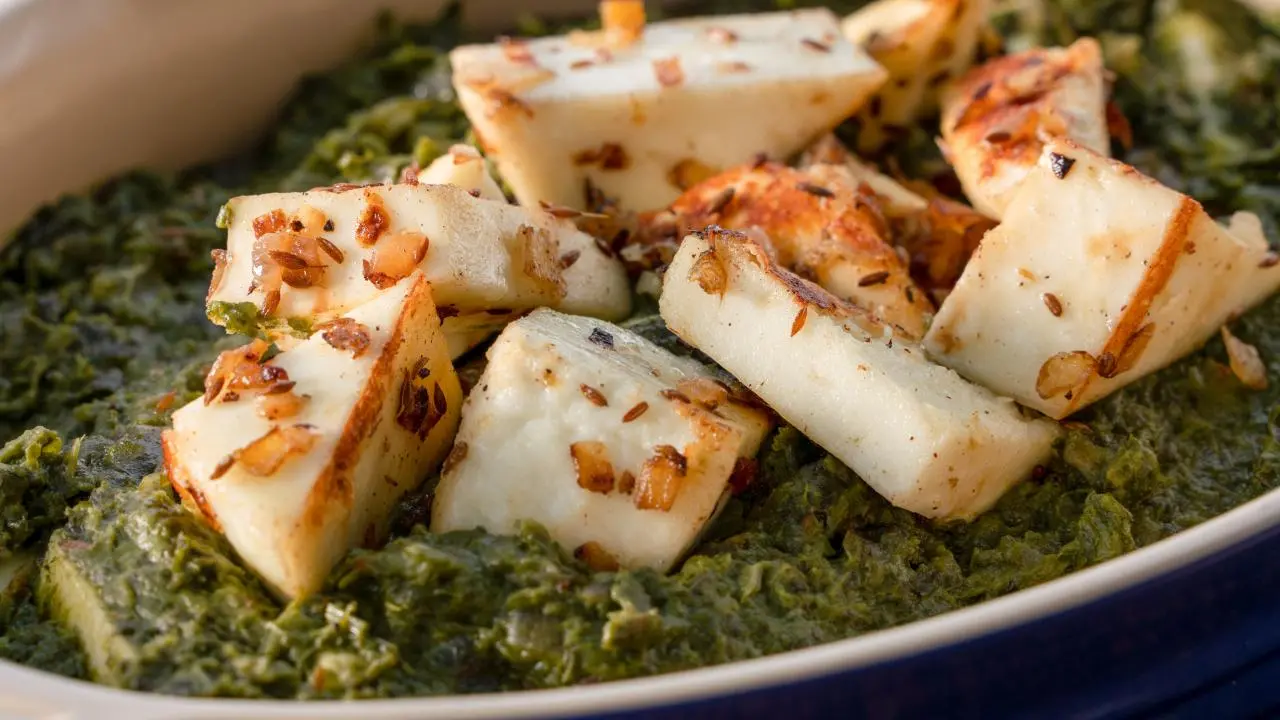
- Paneer Bhaji: Add cubed paneer for protein and richness.
- Spicy Kick: Increase chili powder or add green chilies.
- Veggie Swap: Use sweet potatoes or beets for a twist.
These options keep the recipe fresh, appealing to diverse tastes on your site.
Nutritional Insights
A serving (1 cup bhaji with 2 pav) offers 400–500 calories, 15–20g fat (mostly from butter), 60–70g carbs, and 8–10g protein. Veggies provide fiber and vitamins, while butter adds indulgence. Lighten it with less butter or whole-grain buns if desired—it’s a treat with balance.
Why It’s a Website Winner
“Pav Bhaji Recipe (Stovetop & Instant Pot)” is SEO gold, targeting keywords like “easy Indian recipes,” “Instant Pot Pav Bhaji,” and “street food at home.” Its dual methods broaden appeal, from traditionalists to tech-savvy cooks. The dish’s vibrant flavors and visual appeal—think bright bhaji with golden pav—make it shareable. Add photos or a video, and you’ve got a page that drives traffic and engagement.
A Taste of India at Home
Pav Bhaji is a celebration of flavor, community, and ingenuity. Whether you simmer it on the stove or speed it up in the Instant Pot, this recipe brings Mumbai’s streets to your kitchen. With its spicy, buttery goodness and soft pav, it’s a dish that warms the heart and soul. So, gather your ingredients, choose your method, and dive into this Indian classic—your next favorite meal awaits.