
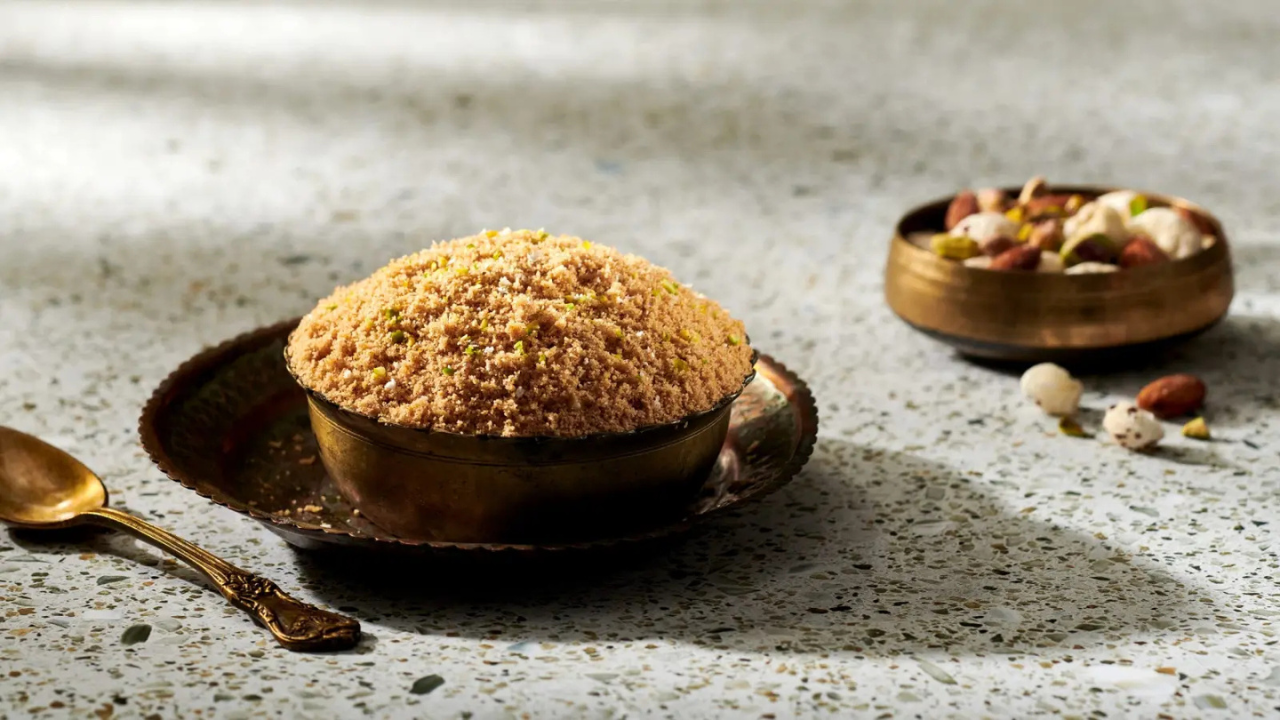

Panjiri is a traditional Indian sweet dish that holds a special place in the hearts of many, especially during festivals, postpartum recovery, and winter months. Known for its rich, nutty flavor and health benefits, Panjiri is a wholesome treat made from whole wheat flour, ghee, sugar, and an array of nuts and seeds. Dassana Amit, the creator of the popular blog Veg Recipes of India, has shared a detailed and authentic Panjiri recipe that captures the essence of this beloved dish. In this article, we’ll explore the significance of Panjiri, break down Dassana Amit’s recipe, and discuss why this version stands out as a must-try for anyone looking to experience the flavors of traditional Indian cuisine.
The Significance of Panjiri
Panjiri is more than just a sweet dish; it’s a symbol of nourishment and celebration. Originating in North India, it is often prepared during festivals like Lohri and Makar Sankranti, as well as for new mothers during postpartum recovery. The dish is packed with energy-boosting ingredients like ghee, nuts, and seeds, making it a perfect winter treat. Its warming properties and nutrient-rich profile have made it a staple in Indian households for generations.
Why Dassana Amit’s Panjiri Recipe Stands Out
Dassana Amit’s Panjiri recipe is a testament to her expertise in Indian cooking. Here’s why her version is worth trying:
- Authenticity: The recipe stays true to traditional methods and ingredients.
- Detailed Instructions: Her step-by-step guide ensures even beginners can achieve perfect results.
- Health-Conscious: The use of natural sweeteners and nutrient-dense ingredients makes it a healthier option.
- Versatility: The recipe can be customized to suit individual preferences and dietary needs.
Key Ingredients in Dassana Amit’s Panjiri Recipe
Dassana Amit’s Panjiri recipe calls for the following ingredients:
Main Ingredients:
- 1 cup whole wheat flour (atta)
- 1/2 cup ghee (clarified butter)
- 1/2 cup powdered sugar or shakkar (unrefined cane sugar)
- 2 tablespoons edible gum (gond)
Nuts and Seeds:
- 2 tablespoons almonds, chopped
- 2 tablespoons cashews, chopped
- 2 tablespoons pistachios, chopped
- 1 tablespoon melon seeds (magaz)
- 1 tablespoon pumpkin seeds
- 1 tablespoon flax seeds
- 1 tablespoon fennel seeds (saunf)
Spices:
- 1/2 teaspoon cardamom powder
- 1/4 teaspoon nutmeg powder (optional)
Step-by-Step Breakdown of Dassana Amit’s Panjiri Recipe
1. Roast the Edible Gum (Gond)
- Heat a tablespoon of ghee in a pan.
- Add the edible gum and roast on low heat until it puffs up and becomes crisp. Remove and set aside.
2. Prepare the Nuts and Seeds
- In the same pan, add a little more ghee and lightly roast the chopped nuts and seeds until fragrant. Set aside.
3. Roast the Whole Wheat Flour
- In the same pan, add the remaining ghee and the whole wheat flour.
- Roast the flour on low to medium heat, stirring continuously, until it turns golden brown and releases a nutty aroma. This step is crucial for the flavor and texture of the Panjiri.
4. Combine the Ingredients
- Once the flour is roasted, add the roasted edible gum, nuts, seeds, and spices (cardamom powder and nutmeg powder).
- Mix well to ensure even distribution of ingredients.
5. Sweeten the Panjiri
- Allow the mixture to cool slightly, then add the powdered sugar or shakkar.
- Mix thoroughly until the sugar is well incorporated.
6. Store and Serve
- Let the Panjiri cool completely before transferring it to an airtight container.
- Serve as a nutritious snack or dessert.
Tips for Perfect Panjiri
- Roast the Flour Slowly: Take your time to roast the flour evenly, as this forms the base of the dish.
- Adjust Sweetness: You can increase or decrease the amount of sugar based on your preference.
- Customize Nuts and Seeds: Feel free to add or substitute nuts and seeds based on availability and taste.
- Use Fresh Ingredients: Fresh ghee, nuts, and spices enhance the flavor and aroma of the Panjiri.
Health Benefits of Panjiri
Panjiri is not just delicious but also packed with health benefits:
- Energy Booster: The combination of ghee, nuts, and seeds provides a quick source of energy.
- Rich in Nutrients: Nuts and seeds are high in protein, healthy fats, and essential vitamins.
- Warming Properties: Ingredients like edible gum and fennel seeds are known for their warming effects, making Panjiri ideal for winter.
- Postpartum Recovery: Panjiri is often given to new mothers as it helps in recovery and boosts lactation.
Creative Variations
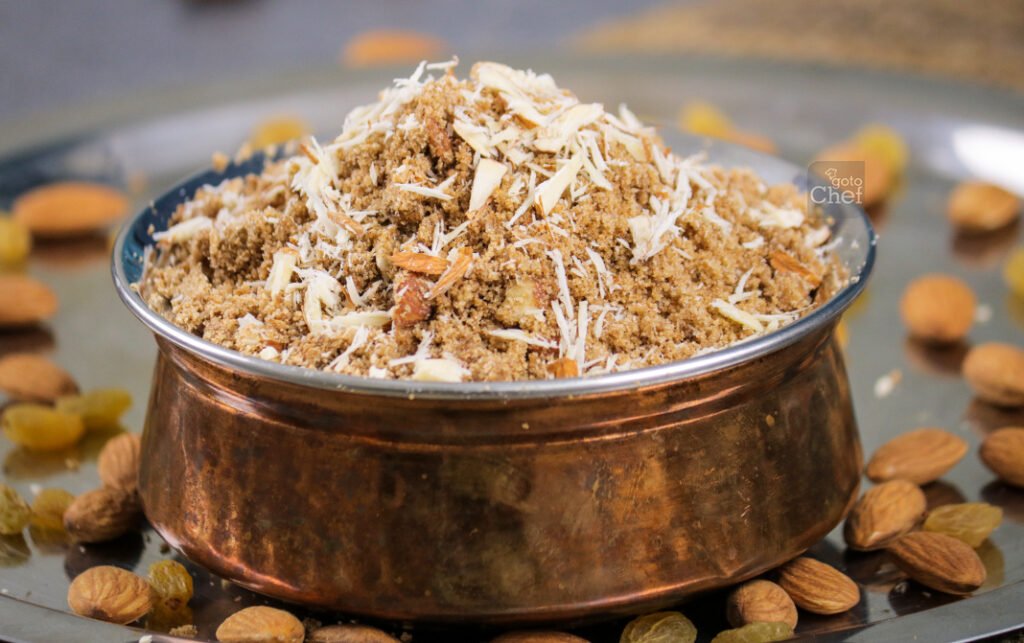
- Dry Fruit Panjiri: Add dried fruits like raisins, apricots, or figs for extra sweetness and texture.
- Sugar-Free Version: Use jaggery powder or coconut sugar as a healthier alternative to refined sugar.
- Gluten-Free Option: Replace whole wheat flour with gluten-free flour like almond flour or oat flour.
- Spiced Panjiri: Add a pinch of cinnamon or ginger powder for a spiced twist.
Serving Suggestions
- As a Snack: Enjoy a small bowl of Panjiri as a mid-day energy booster.
- Festive Treat: Serve during festivals like Lohri, Makar Sankranti, or Diwali.
- Postpartum Nutrition: Offer to new mothers as a nourishing and comforting snack.
- Dessert Option: Pair with a cup of warm milk or chai for a delightful dessert.
Conclusion
Dassana Amit’s Panjiri recipe is a beautiful blend of tradition, flavor, and nutrition. With its rich ingredients and detailed instructions, it’s a recipe that anyone can master and enjoy. Whether you’re celebrating a festival, recovering from childbirth, or simply craving a wholesome treat, this Panjiri is sure to satisfy. So, gather your ingredients, follow Dassana Amit’s expert guidance, and indulge in the warmth and sweetness of this timeless dish. Happy cooking!
-
Homemade Vegetarian Pizza: A Step-by-Step Guide to Pizza Perfection

There’s something undeniably magical about a homemade pizza—fresh dough stretched by hand, vibrant toppings layered with care, and the aroma of melting cheese wafting through the kitchen. When it comes to vegetarian pizza, the possibilities are endless, turning simple ingredients into a feast for the senses. This recipe for homemade vegetarian pizza is your ticket…
-
Multigrain Methi Thepla Recipe: A Nutritious Gujarati Delight
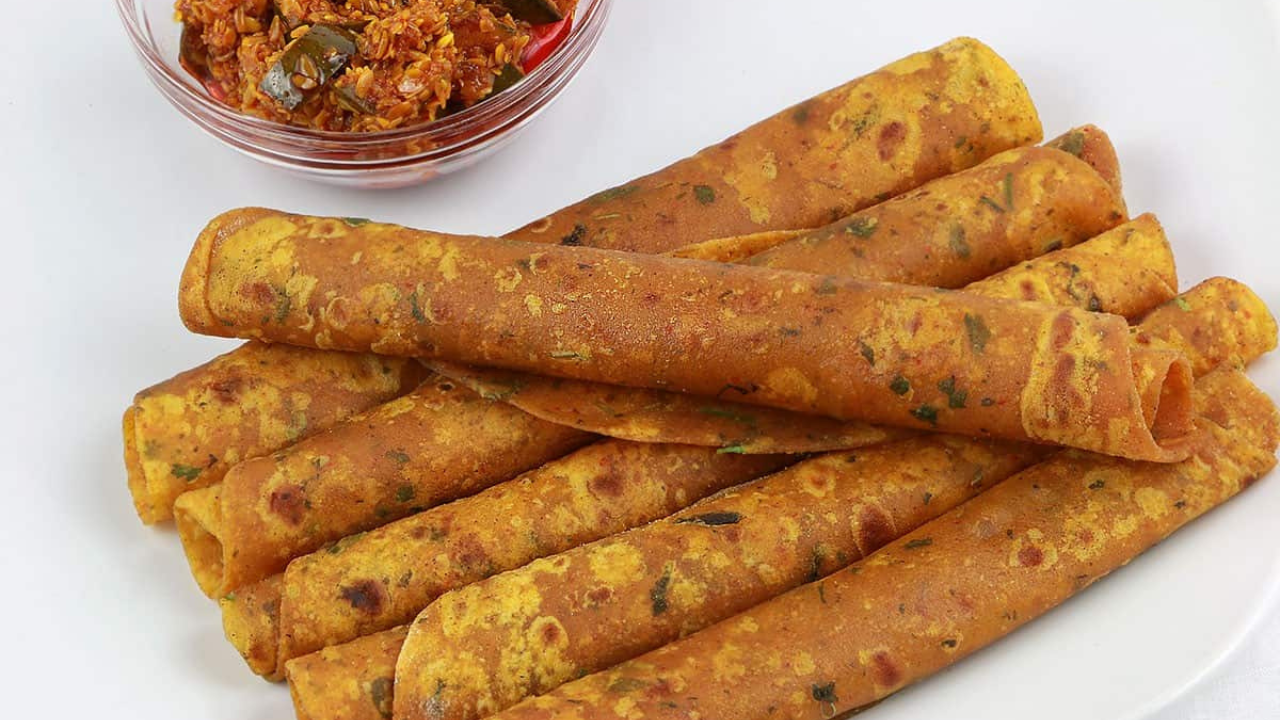
When it comes to Indian flatbreads, few can rival the versatility and wholesome appeal of thepla. Hailing from the vibrant state of Gujarat, thepla is a spiced, flavorful flatbread that’s as much a staple as it is a culinary treasure. While traditional thepla is made with wheat flour and fenugreek leaves (methi), this multigrain methi…
-
Methi Matar Malai Recipe: A Creamy, Rich Delight to Savor
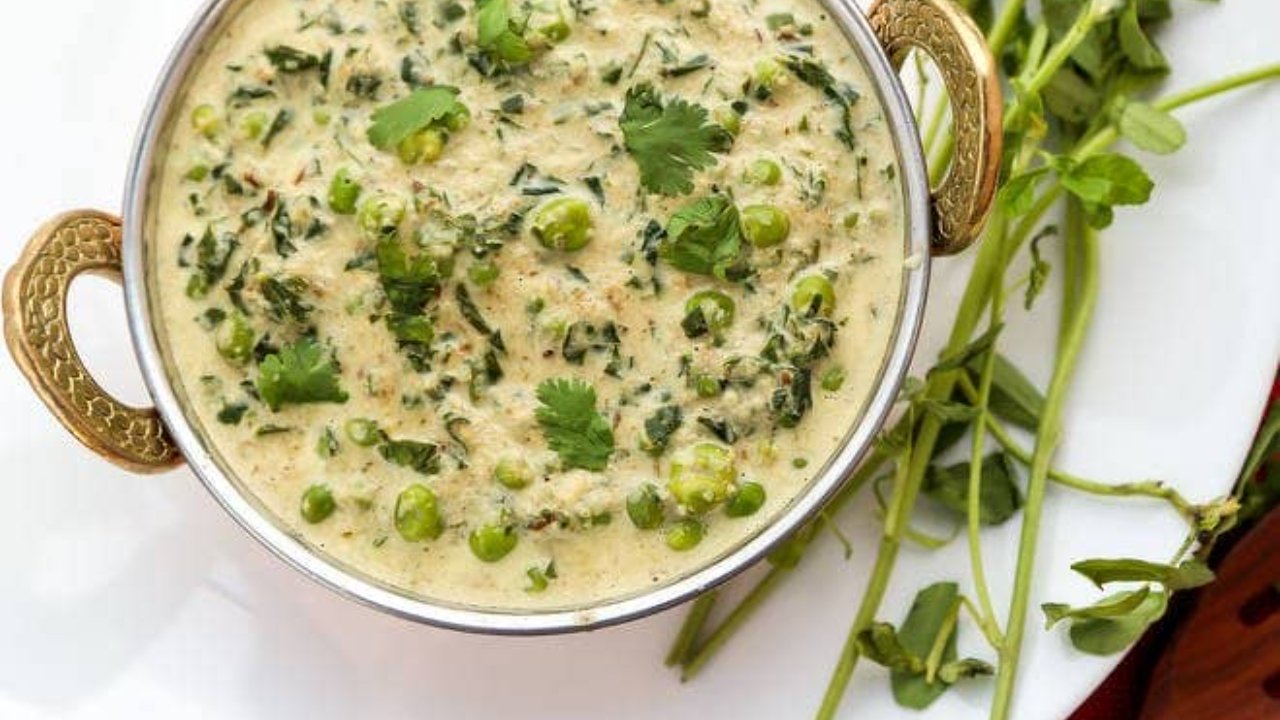
If you’re a fan of Indian cuisine, you’ve likely encountered dishes that strike a perfect balance between bold flavors and comforting richness. Methi Matar Malai is one such gem—a creamy, aromatic curry that combines the earthy bitterness of fenugreek leaves (methi), the natural sweetness of green peas (matar), and the indulgent smoothness of cream (malai).…