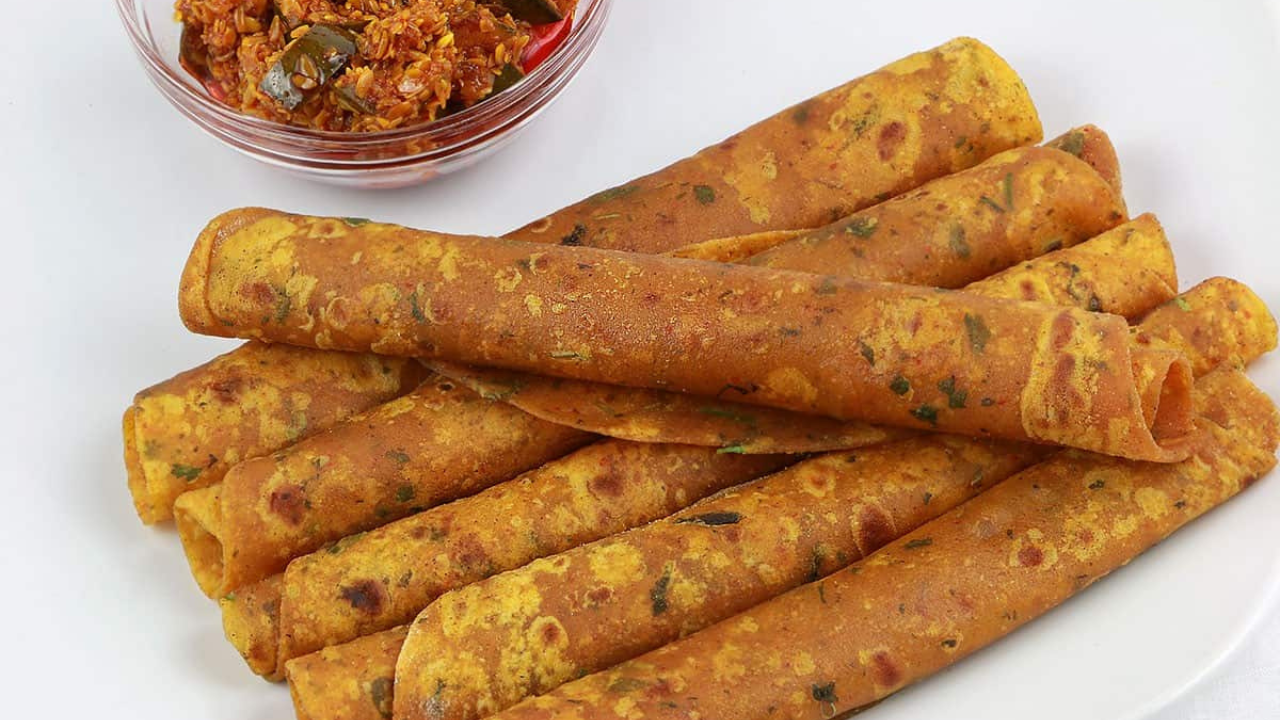

When it comes to Indian flatbreads, few can rival the versatility and wholesome appeal of thepla. Hailing from the vibrant state of Gujarat, thepla is a spiced, flavorful flatbread that’s as much a staple as it is a culinary treasure. While traditional thepla is made with wheat flour and fenugreek leaves (methi), this multigrain methi thepla recipe takes it up a notch by incorporating a variety of flours for added nutrition and flavor. Soft yet slightly crisp, aromatic with spices, and packed with the goodness of methi, this dish is perfect for breakfast, lunch, or even as a travel-friendly snack.
In this comprehensive guide, I’ll walk you through the art of making multigrain methi thepla from scratch. We’ll explore the ingredients, step-by-step process, and some handy tips to ensure your theplas turn out perfect every time. Whether you’re a fan of Gujarati cuisine, looking for a healthy vegetarian option, or simply curious about cooking with fenugreek, this recipe has something for everyone. Let’s roll up our sleeves and get started on this delicious journey!
What is Multigrain Methi Thepla?
Thepla is a beloved flatbread from Gujarat, often made with whole wheat flour, fresh fenugreek leaves, and a medley of spices. It’s typically rolled thin, cooked on a griddle with a touch of oil, and enjoyed with yogurt, pickle, or a side of chunda (a sweet-spicy mango preserve). What sets thepla apart from other Indian breads like roti or paratha is its unique texture—soft yet sturdy—and its ability to stay fresh for days, making it a favorite for picnics, road trips, or busy weekdays.
This multigrain version builds on the classic recipe by blending different flours, such as millet (bajra), chickpea (besan), and oats, with whole wheat flour. The addition of methi not only enhances the flavor with its earthy, slightly bitter notes but also boosts the nutritional value. The result? A wholesome, flavorful flatbread that’s as satisfying as it is good for you.
Why Go Multigrain?
Incorporating multiple grains into your thepla isn’t just a trendy twist—it’s a smart way to elevate the dish’s health quotient. Whole wheat flour provides fiber and energy, millet adds a nutty flavor and gluten-free benefits, chickpea flour brings protein, and oats contribute heart-healthy beta-glucans. Together, they create a balanced mix that keeps you full longer and supports a nutrient-rich diet. Plus, the varied textures of these flours make the thepla even more interesting to eat.
Ready to give it a try? Let’s dive into the ingredients and the process.
Ingredients for Multigrain Methi Thepla
To make about 10-12 medium-sized multigrain methi theplas, gather the following ingredients. I’ve included notes on substitutions and tips for the best results.
For the Dough:
- Whole Wheat Flour (Atta): 1 cup (the base flour for structure)
- Millet Flour (Bajra): ¼ cup (adds a rustic flavor; substitute with jowar flour if needed)
- Chickpea Flour (Besan): ¼ cup (for protein and a slight nutty taste)
- Oats Flour: ¼ cup (grind rolled oats into a fine powder; optional but adds softness)
- Fresh Fenugreek Leaves (Methi): 1 cup, finely chopped (or 2 tablespoons dried kasuri methi if fresh isn’t available)
- Yogurt: ¼ cup (for softness and a tangy kick; use sour curd for best results)
- Oil: 1 tablespoon (to moisten the dough; ghee works too)
- Water: As needed (to knead the dough)
For the Spice Mix:
- Turmeric Powder: ½ teaspoon
- Red Chili Powder: ½ teaspoon (adjust to taste)
- Coriander Powder: 1 teaspoon
- Cumin Powder: ½ teaspoon
- Asafoetida (Hing): A pinch (enhances digestion and flavor)
- Salt: To taste
- Ajwain (Carom Seeds): ½ teaspoon (optional, for a peppery note)
- Sesame Seeds: 1 teaspoon (optional, for crunch)
For Cooking:
- Oil or Ghee: For brushing and cooking (about 1 teaspoon per thepla)
For Serving (Optional):
- Plain Yogurt or Curd
- Mango Pickle or Chunda
- Green Chutney
Kitchen Tools You’ll Need
To make this recipe smoothly, have these tools READY:
- A large mixing bowl
- A rolling pin and board
- A tawa or flat griddle
- A spatula
- A small bowl for oil/ghee
- Measuring cups and spoons
With everything prepped, let’s move on to the recipe.
Step-by-Step Multigrain Methi Thepla Recipe
Step 1: Prepare the Methi
Start by cleaning the fresh fenugreek leaves. Pluck the leaves from the stems, rinse them thoroughly under running water to remove dirt, and pat them dry. Finely chop the leaves and set them aside. If using dried kasuri methi, crush it lightly between your palms to release its aroma.
Step 2: Mix the Dry Ingredients
In a large mixing bowl, combine the whole wheat flour, millet flour, chickpea flour, and oats flour. Add the turmeric powder, red chili powder, coriander powder, cumin powder, asafoetida, salt, ajwain, and sesame seeds (if using). Mix well with your fingers to evenly distribute the spices.
Step 3: Add Methi and Wet Ingredients
Make a well in the center of the flour mixture and add the chopped fenugreek leaves, yogurt, and 1 tablespoon of oil. Mix everything together using your hands. The yogurt and methi will release some moisture, so start kneading lightly. Gradually add water, a tablespoon at a time, until the dough comes together. It should be soft but not sticky—similar to chapati dough.
Step 4: Knead and Rest the Dough
Knead the dough for 3-5 minutes until smooth. The multigrain flours might make it slightly coarser than regular wheat dough, but that’s normal. Drizzle a few drops of oil over the dough, cover it with a damp cloth, and let it rest for 15-20 minutes. This resting time helps the flavors meld and makes rolling easier.
Step 5: Roll the Theplas
Divide the dough into 10-12 equal portions and roll each into a smooth ball. Dust your rolling board with a little wheat flour. Take one ball, flatten it slightly, and roll it out into a thin circle, about 6-7 inches in diameter. Don’t worry if the edges aren’t perfect—the rustic look is part of thepla’s charm. Repeat for the remaining balls, stacking them with a sprinkle of flour between each to prevent sticking.
Step 6: Cook the Theplas
Heat a tawa or flat griddle over medium heat. Place a rolled thepla on the hot tawa and cook for about 30-40 seconds until small bubbles appear. Flip it over, brush a little oil or ghee on the cooked side, and cook the other side for another 30 seconds. Flip again, brush oil on the second side, and press gently with a spatula until golden spots appear. Remove from the tawa and keep warm in a covered container or wrapped in a clean kitchen towel. Repeat for the remaining theplas.
Step 7: Serve and Enjoy
Serve the multigrain methi theplas hot or at room temperature with yogurt, pickle, or chutney. They’re delicious on their own too, especially when fresh off the tawa!
Tips for Perfect Multigrain Methi Thepla
- Fenugreek Balance: If fresh methi tastes too bitter, blanch the leaves in boiling water for 1 minute, drain, and then chop. This reduces bitterness without losing flavor.
- Dough Consistency: Don’t add too much water at once—multigrain flours absorb moisture differently than wheat flour alone.
- Storage: Theplas stay fresh for 2-3 days at room temperature or up to a week in the fridge. Reheat on a tawa with a dab of ghee for best results.
- Spice it Up: Add finely chopped green chilies or garlic to the dough for an extra kick.
- Gluten-Free Option: Skip the wheat flour and use a mix of millet, chickpea, and rice flour, adjusting water as needed.
Nutritional Benefits
Multigrain methi thepla is a powerhouse of nutrition. Fenugreek leaves are loaded with iron, fiber, and antioxidants, known to support digestion and blood sugar regulation. The mix of flours provides a range of nutrients: whole wheat for sustained energy, millet for magnesium, chickpea flour for protein, and oats for heart health. With minimal oil and no deep-frying, it’s a guilt-free indulgence that’s both tasty and nourishing.
Pairing Suggestions
Thepla is incredibly versatile—here are some classic pairings:
- Curd or Yogurt: Plain or spiced with cumin and salt for a cooling contrast.
- Pickle: Gujarati mango pickle or chunda adds a sweet-spicy punch.
- Chutney: Fresh coriander or garlic chutney for a zesty kick.
- Tea: A cup of masala chai makes it a perfect breakfast or snack combo.
For a light meal, pair it with a vegetable curry or a simple cucumber-tomato salad.
Why You’ll Love Multigrain Methi Thepla
This recipe combines the best of tradition and innovation. The nutty, wholesome flavor of multigrain flours, the aromatic methi, and the subtle spices create a flatbread that’s hearty yet light. It’s portable, kid-friendly, and a fantastic way to sneak more greens and grains into your diet. Whether you’re packing it for a trip or enjoying it fresh at home, multigrain methi thepla is a dish that delivers on taste, texture, and nutrition.