
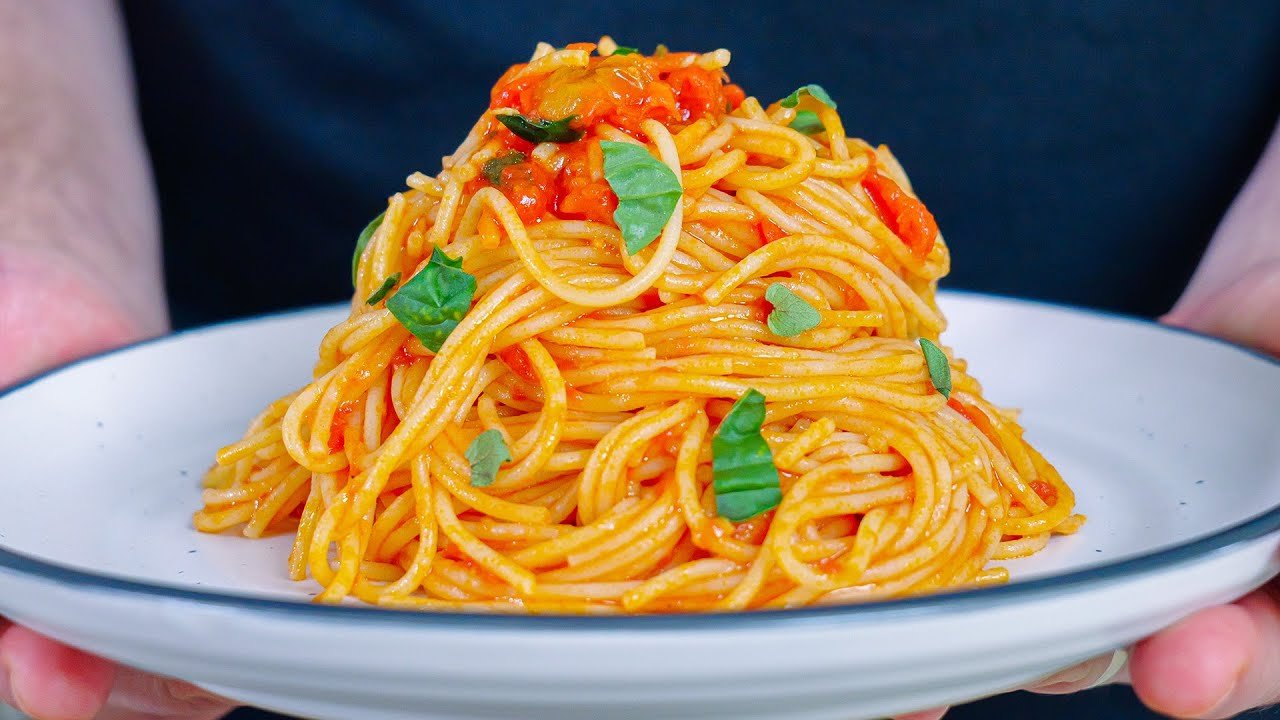

Marinara sauce is the heart and soul of Italian cuisine—a versatile, flavorful base that can elevate pasta, pizza, and countless other dishes. While store-bought versions are convenient, nothing compares to the vibrant taste of homemade marinara made with fresh, ripe tomatoes. This recipe is a celebration of simplicity, using just a handful of ingredients to create a sauce that’s rich, tangy, and bursting with natural sweetness.
In this article, we’ll walk you through the steps to make marinara sauce from scratch, explore its cultural significance, and share tips for customizing it to suit your taste. Plus, we’ll discuss how this recipe fits into broader categories like cooking methods, dietary preferences, and ingredient-focused cooking, making it a must-have in your culinary toolkit.
The Recipe: Homemade Marinara Sauce with Fresh Tomatoes
This classic marinara sauce recipe is easy to make and requires only a few ingredients. Here’s how to do it:
Ingredients:
- Fresh Tomatoes: 2 pounds (ripe and juicy; Roma or vine-ripened tomatoes work best)
- Olive Oil: 3 tablespoons (extra virgin for the best flavor)
- Garlic: 4-5 cloves (minced)
- Onion: 1 small (finely chopped; optional for added sweetness)
- Fresh Basil: A handful (chopped)
- Dried Oregano: 1 teaspoon
- Red Chili Flakes: ½ teaspoon (optional, for a hint of heat)
- Salt and Pepper: To taste
- Sugar: 1 teaspoon (optional, to balance acidity)
Steps:
- Blanch the tomatoes: Score an “X” on the bottom of each tomato and place them in boiling water for 30-60 seconds. Transfer to an ice bath, then peel off the skins.
- Chop the tomatoes into small pieces, removing the cores.
- Heat olive oil in a large saucepan over medium heat. Add minced garlic (and onion, if using) and sauté until fragrant.
- Add the chopped tomatoes, basil, oregano, red chili flakes, salt, and pepper. Stir well.
- Bring the mixture to a simmer, then reduce the heat to low. Let it cook for 30-40 minutes, stirring occasionally, until the sauce thickens.
- Taste and adjust seasoning, adding a teaspoon of sugar if the sauce is too acidic.
- Use an immersion blender or a regular blender to puree the sauce to your desired consistency (optional).
- Serve immediately or store for later use.
Why This Recipe is a Kitchen Essential
Homemade marinara sauce is a game-changer for several reasons:
- Fresh and Flavorful: Using fresh tomatoes gives the sauce a vibrant, natural taste that canned versions can’t match.
- Versatile: It’s perfect for pasta, pizza, meatballs, or as a dipping sauce.
- Healthy: Made with simple, wholesome ingredients, it’s free from preservatives and additives.
- Customizable: You can adjust the flavors to suit your preferences.
The Health Benefits: A Nutritious Base
This marinara sauce isn’t just delicious—it’s also packed with nutrients:
1. Tomatoes: A Vitamin Powerhouse
Tomatoes are rich in vitamins A and C, potassium, and antioxidants like lycopene, which supports heart health.
2. Olive Oil: Heart-Healthy Fats
Extra virgin olive oil is a source of monounsaturated fats, which are beneficial for heart health.
3. Garlic: Immune-Boosting Properties
Garlic has antimicrobial and anti-inflammatory properties, making it a great addition to any diet.
4. Fresh Herbs: Flavor and Nutrition
Basil and oregano add not only flavor but also vitamins and antioxidants.
How This Recipe Fits into Multiple Categories
This marinara sauce recipe is incredibly versatile and can be categorized in several ways:
1. Blog-Worthy Content
This recipe is perfect for food blogs, offering readers a simple yet flavorful homemade sauce alternative.
2. By Cuisine
As a classic Italian sauce, it’s a great example of the simplicity and elegance of Italian cooking.
3. By Dietary Preference
This sauce can be adapted to suit various dietary needs:
- Vegan: Naturally vegan, making it suitable for plant-based diets.
- Gluten-Free: Free from gluten-containing ingredients.
- Low-Sodium: Adjust the salt to meet dietary restrictions.
4. By Ingredient
This recipe highlights the versatility of fresh tomatoes, making it a great example of ingredient-focused cooking.
5. Cooking Method
The slow-simmering process enhances the flavors and textures of the sauce, showcasing the importance of cooking techniques.
Tips for Perfecting Your Marinara Sauce
Here are some expert tips to ensure your sauce turns out perfectly:
- Choose Ripe Tomatoes: The riper the tomatoes, the sweeter and more flavorful your sauce will be.
- Simmer Slowly: Low and slow cooking allows the flavors to develop fully.
- Adjust Consistency: Use a blender for a smooth sauce or leave it chunky for a rustic texture.
- Store Properly: Refrigerate for up to a week or freeze in portions for longer storage.
Serving Suggestions: Endless Possibilities
Marinara sauce is incredibly versatile and can be used in countless ways:
- Pasta: Toss with spaghetti, penne, or your favorite pasta for a classic dish.
- Pizza: Use as a base for homemade pizza.
- Meatballs: Serve as a dipping sauce or simmer meatballs in the sauce.
- Eggs: Add to shakshuka or baked eggs for a flavorful twist.
- Bread: Serve as a dipping sauce for garlic bread or bruschetta.
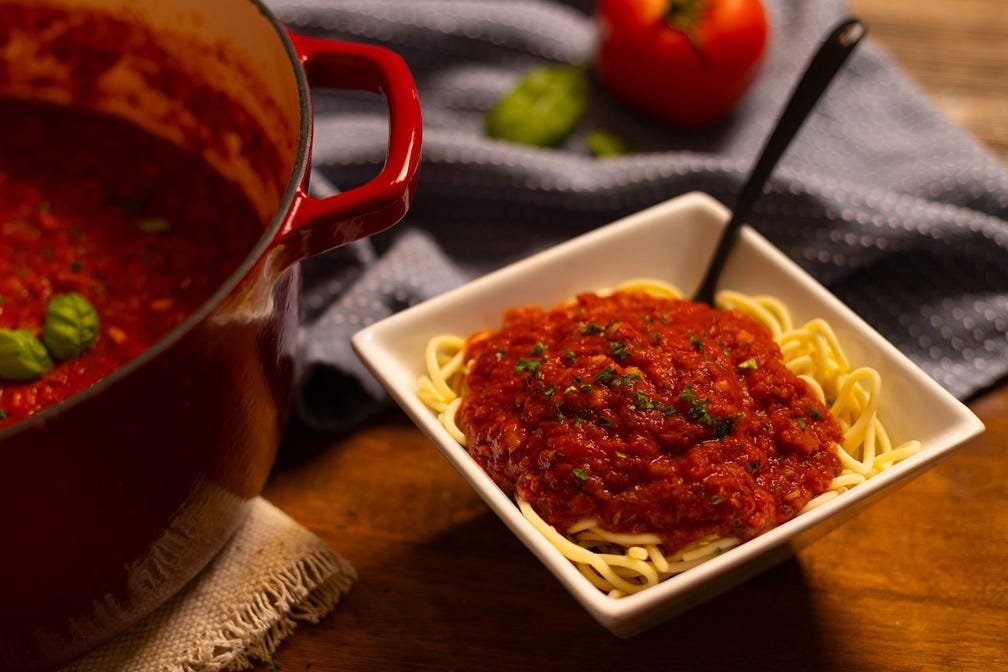
Conclusion: A Sauce That Brings Italy to Your Kitchen
Homemade marinara sauce is more than just a recipe—it’s a celebration of fresh ingredients, simple techniques, and timeless flavors. With its rich, tangy taste and endless versatility, this sauce is a must-have in any kitchen.
So, grab your fresh tomatoes, embrace the slow-simmering process, and get ready to create a sauce that’s as nourishing as it is delicious. Buon appetito!
Key Takeaways:
- This marinara sauce recipe uses fresh tomatoes, garlic, and herbs for a vibrant, homemade flavor.
- Packed with nutrients, it’s a healthy and versatile base for countless dishes.
- Highly adaptable to suit different dietary preferences, including vegan and gluten-free diets.
- A great example of ingredient-focused cooking and traditional slow-simmering techniques.
- Perfect for pasta, pizza, meatballs, and more.
Let’s celebrate the joy of Italian cooking with this timeless recipe. Enjoy! 🍅✨
-
Homemade Vegetarian Pizza: A Step-by-Step Guide to Pizza Perfection

There’s something undeniably magical about a homemade pizza—fresh dough stretched by hand, vibrant toppings layered with care, and the aroma of melting cheese wafting through the kitchen. When it comes to vegetarian pizza, the possibilities are endless, turning simple ingredients into a feast for the senses. This recipe for homemade vegetarian pizza is your ticket…
-
Multigrain Methi Thepla Recipe: A Nutritious Gujarati Delight
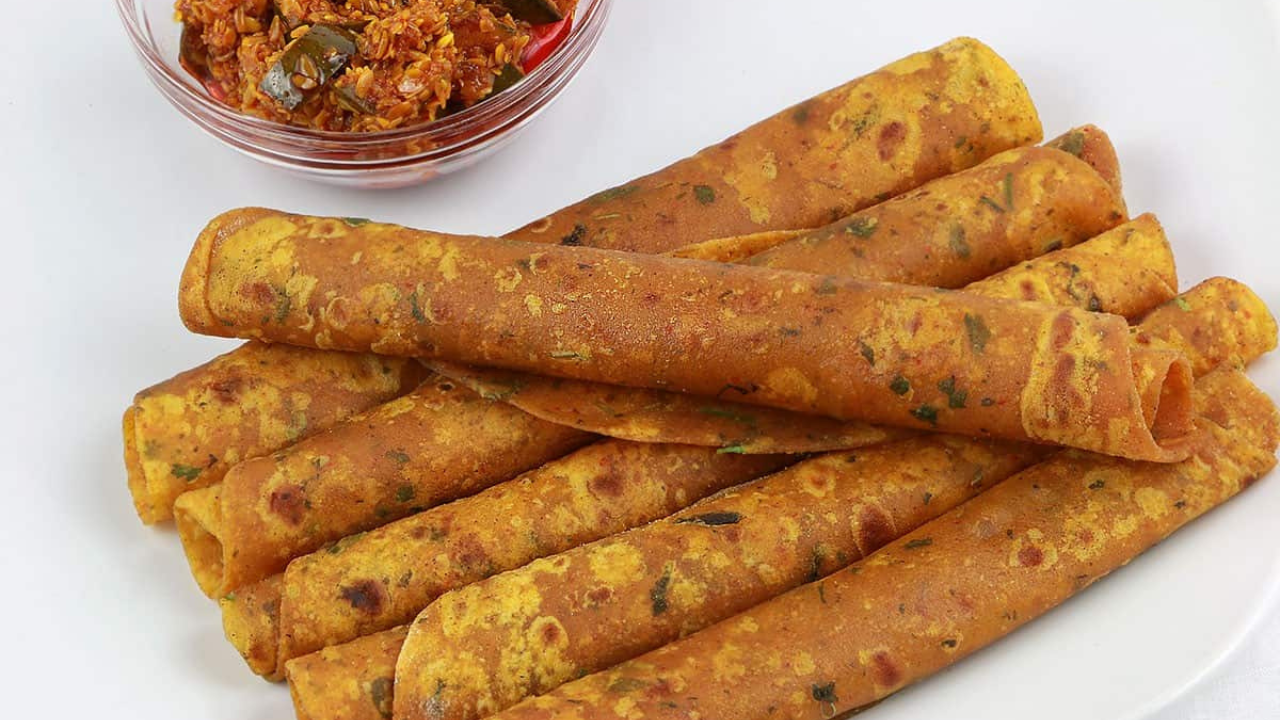
When it comes to Indian flatbreads, few can rival the versatility and wholesome appeal of thepla. Hailing from the vibrant state of Gujarat, thepla is a spiced, flavorful flatbread that’s as much a staple as it is a culinary treasure. While traditional thepla is made with wheat flour and fenugreek leaves (methi), this multigrain methi…
-
Methi Matar Malai Recipe: A Creamy, Rich Delight to Savor
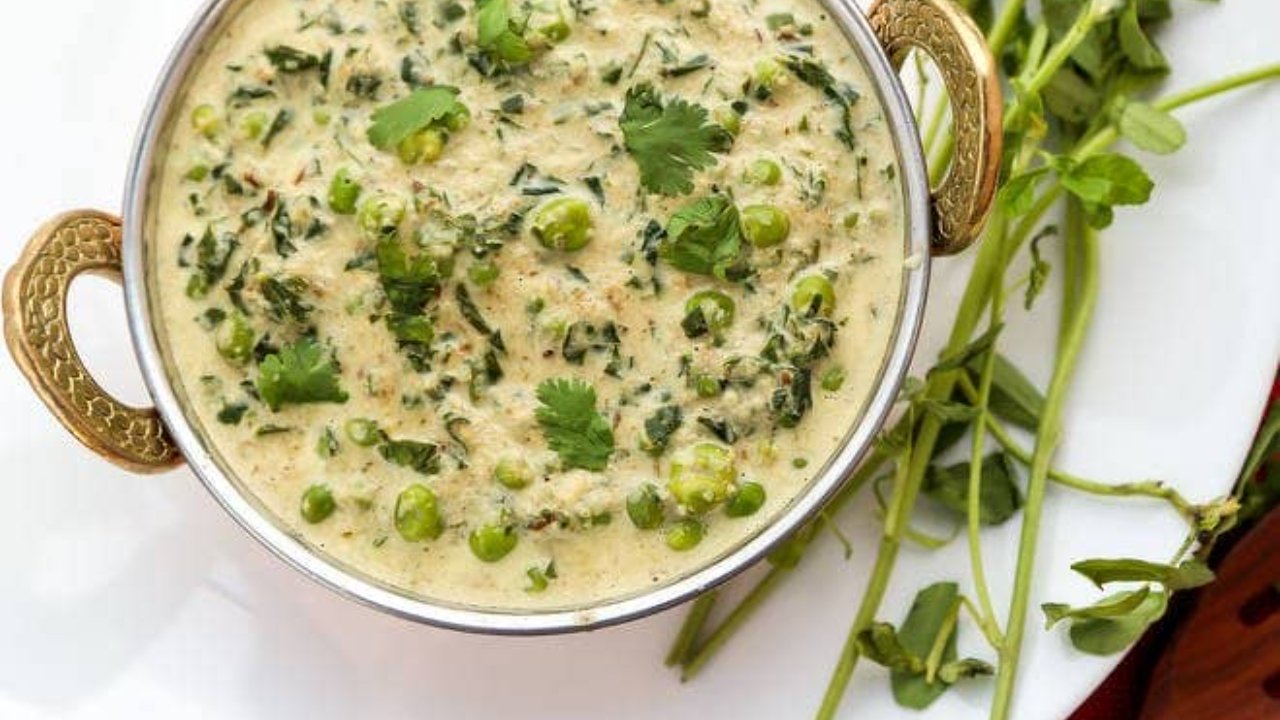
If you’re a fan of Indian cuisine, you’ve likely encountered dishes that strike a perfect balance between bold flavors and comforting richness. Methi Matar Malai is one such gem—a creamy, aromatic curry that combines the earthy bitterness of fenugreek leaves (methi), the natural sweetness of green peas (matar), and the indulgent smoothness of cream (malai).…