


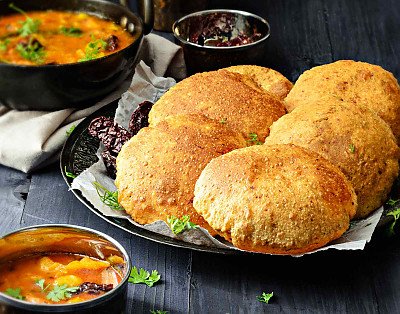
Indian cuisine is a treasure trove of flavors, textures, and aromas, with each region offering its unique culinary gems. Among the myriad of dishes that grace the Indian dining table, Bedmi Puri stands out as a beloved breakfast and snack item, particularly in North India. This deep-fried bread, made with a spiced whole wheat and urad dal (black gram) dough, is a perfect blend of crispiness and softness, offering a burst of flavors with every bite. In this article, we will explore the origins, cultural significance, and step-by-step recipe of Bedmi Puri, along with tips to perfect this dish.
The Origins and Cultural Significance of Bedmi Puri
Bedmi Puri traces its roots to the heart of North India, particularly in states like Uttar Pradesh, Rajasthan, and Delhi. It is often paired with Aloo Sabzi (spiced potato curry) or Dahi (yogurt), making it a wholesome meal. The dish is a staple during festivals, religious ceremonies, and even casual family gatherings. Its popularity lies in its simplicity, yet it carries a depth of flavor that is hard to resist.
The name “Bedmi” is derived from the Hindi word “bedana,” which means to fill or stuff. This refers to the spiced urad dal filling that is kneaded into the dough, giving the puri its distinctive taste and texture. Bedmi Puri is not just a dish; it is a reflection of the rich culinary heritage of India, where every ingredient tells a story.
Why Bedmi Puri is a Must-Try
- Perfect Balance of Flavors: The combination of whole wheat flour, urad dal, and aromatic spices creates a harmonious blend of savory and spicy flavors.
- Versatile Dish: It can be enjoyed as a breakfast item, a snack, or even as part of a festive meal.
- Nutritious and Filling: The inclusion of urad dal adds protein, making it a more nutritious option compared to regular puris.
- Cultural Experience: Preparing and savoring Bedmi Puri is a way to connect with Indian traditions and culinary practices.
Ingredients for Bedmi Puri
To make Bedmi Puri, you will need the following ingredients:
For the Dough:
- 2 cups whole wheat flour (atta)
- 1/2 cup urad dal (split black gram), soaked for 4-5 hours
- 1 teaspoon ajwain (carom seeds)
- 1/2 teaspoon turmeric powder
- 1 teaspoon red chili powder
- 1 teaspoon coriander powder
- 1/2 teaspoon asafoetida (hing)
- Salt to taste
- Water, as needed
- Oil, for deep frying
For the Spice Mix:
- 1 teaspoon fennel seeds (saunf)
- 1 teaspoon cumin seeds (jeera)
- 2-3 dried red chilies
- 1-inch piece of ginger
- 2-3 green chilies (optional, for extra heat)
For Serving:
- Aloo Sabzi (spiced potato curry)
- Dahi (yogurt)
- Pickle or chutney
Step-by-Step Recipe for Bedmi Puri
Step 1: Prepare the Urad Dal Paste
- Drain the soaked urad dal and grind it into a coarse paste using a blender or food processor. Add a little water if needed, but ensure the paste is not too watery.
- Transfer the paste to a large mixing bowl.
Step 2: Make the Spice Mix
- In a small pan, dry roast fennel seeds, cumin seeds, and dried red chilies until fragrant.
- Allow the roasted spices to cool, then grind them into a fine powder along with ginger and green chilies.
- Add this spice mix to the urad dal paste.
Step 3: Prepare the Dough
- In the mixing bowl with the urad dal paste, add whole wheat flour, ajwain, turmeric powder, red chili powder, coriander powder, asafoetida, and salt.
- Mix the ingredients well, then gradually add water to form a firm yet pliable dough. Knead the dough for 8-10 minutes until it becomes smooth and elastic.
- Cover the dough with a damp cloth and let it rest for 20-30 minutes.
Step 4: Shape the Puris
- After the dough has rested, divide it into small lemon-sized portions.
- Roll each portion into a smooth ball, then flatten it slightly using your palms.
- Using a rolling pin, roll out each portion into a small circle, about 3-4 inches in diameter. Ensure the puris are neither too thick nor too thin.
Step 5: Fry the Puris
- Heat oil in a deep frying pan or kadhai over medium heat.
- Once the oil is hot, gently slide one puri into the oil. Press it lightly with a slotted spoon to help it puff up.
- Fry until the puri turns golden brown on both sides, then remove it and place it on a paper towel to drain excess oil.
- Repeat the process for the remaining puris.
Step 6: Serve and Enjoy
- Serve the hot and crispy Bedmi Puris with Aloo Sabzi, Dahi, or your favorite chutney.
- Enjoy the burst of flavors and textures that make this dish a true delight.
Tips to Perfect Your Bedmi Puri
- Soak the Urad Dal Properly: Ensure the urad dal is soaked for at least 4-5 hours to achieve the right consistency for the paste.
- Knead the Dough Well: Proper kneading is essential to make the puris soft and fluffy.
- Maintain Oil Temperature: The oil should be hot but not smoking. If the oil is too hot, the puris will brown quickly without cooking through.
- Experiment with Spices: Adjust the spice levels according to your preference. You can also add garam masala for an extra layer of flavor.
- Serve Immediately: Bedmi Puris are best enjoyed fresh and hot.
Variations of Bedmi Puri
While the traditional Bedmi Puri recipe is a crowd-pleaser, you can experiment with variations to suit your taste:
- Stuffed Bedmi Puri: Add a filling of mashed potatoes or paneer inside the puri for a richer experience.
- Sweet Bedmi Puri: Replace the savory spices with jaggery and cardamom for a sweet version.
- Gluten-Free Option: Use gluten-free flour like buckwheat or millet flour instead of whole wheat flour.
Pairing Suggestions
Bedmi Puri is incredibly versatile and pairs well with a variety of accompaniments:
- Aloo Sabzi: The classic pairing, this spiced potato curry complements the puris perfectly.
- Dahi: Yogurt adds a cooling contrast to the spicy puris.
- Chutney: Mint chutney, tamarind chutney, or coriander chutney enhance the flavors.
- Pickle: A tangy mango or lime pickle adds a zesty kick.
Health Benefits of Bedmi Puri
While Bedmi Puri is a fried dish, it offers several health benefits due to its ingredients:
- Urad Dal: Rich in protein, fiber, and essential minerals like iron and potassium.
- Whole Wheat Flour: A good source of complex carbohydrates and dietary fiber.
- Spices: Ajwain aids digestion, while turmeric has anti-inflammatory properties.
To make it healthier, you can use minimal oil for frying or opt for air-frying.
Conclusion
Bedmi Puri is more than just a dish; it is a celebration of Indian culinary traditions. Its crispy exterior, soft interior, and flavorful spices make it a favorite among food lovers. Whether you are preparing it for a festive occasion or a casual breakfast, this recipe is sure to impress. So, roll up your sleeves, gather your ingredients, and embark on a culinary journey to create this delightful treat.
Happy cooking!
-

Homemade Vegetarian Pizza: A Step-by-Step Guide to Pizza Perfection
There’s something undeniably magical about a homemade pizza—fresh dough stretched by hand, vibrant toppings layered with care, and the aroma of melting cheese wafting through the kitchen. When it comes to vegetarian pizza, the possibilities are endless, turning simple ingredients into a feast for the senses. This recipe for homemade vegetarian pizza is your ticket…
-
Multigrain Methi Thepla Recipe: A Nutritious Gujarati Delight
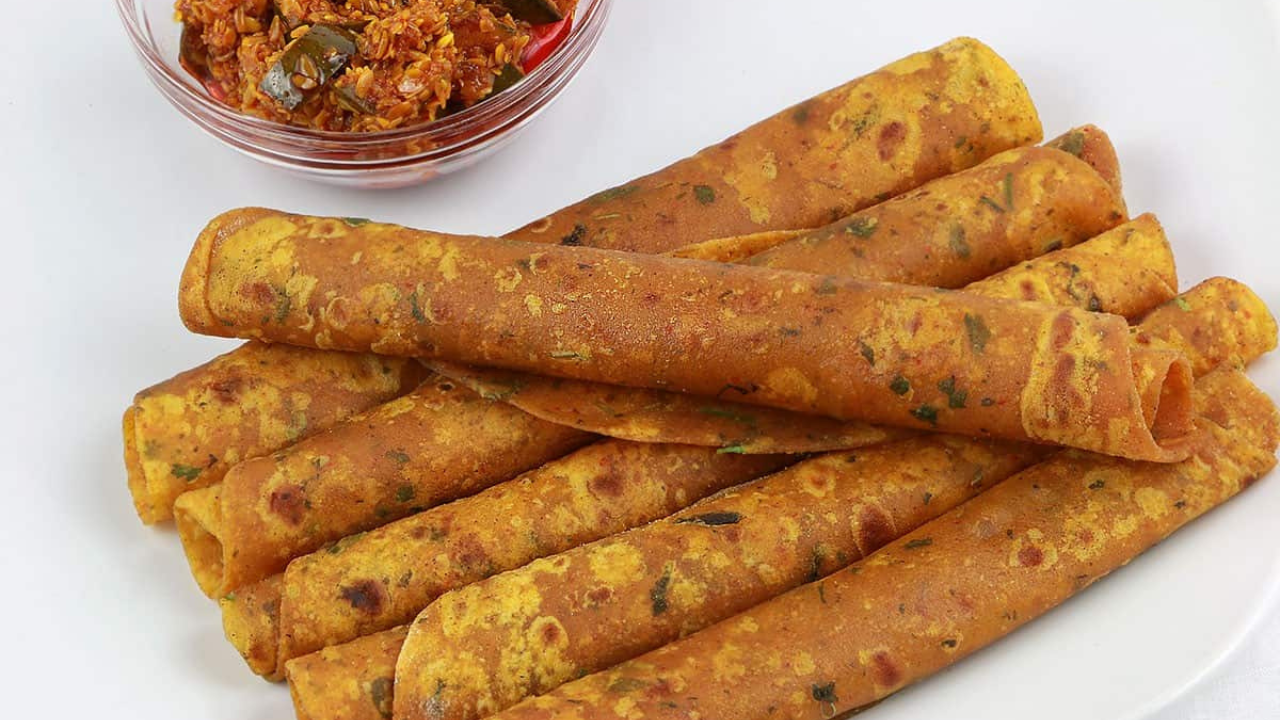
When it comes to Indian flatbreads, few can rival the versatility and wholesome appeal of thepla. Hailing from the vibrant state of Gujarat, thepla is a spiced, flavorful flatbread that’s as much a staple as it is a culinary treasure. While traditional thepla is made with wheat flour and fenugreek leaves (methi), this multigrain methi…
-
Methi Matar Malai Recipe: A Creamy, Rich Delight to Savor
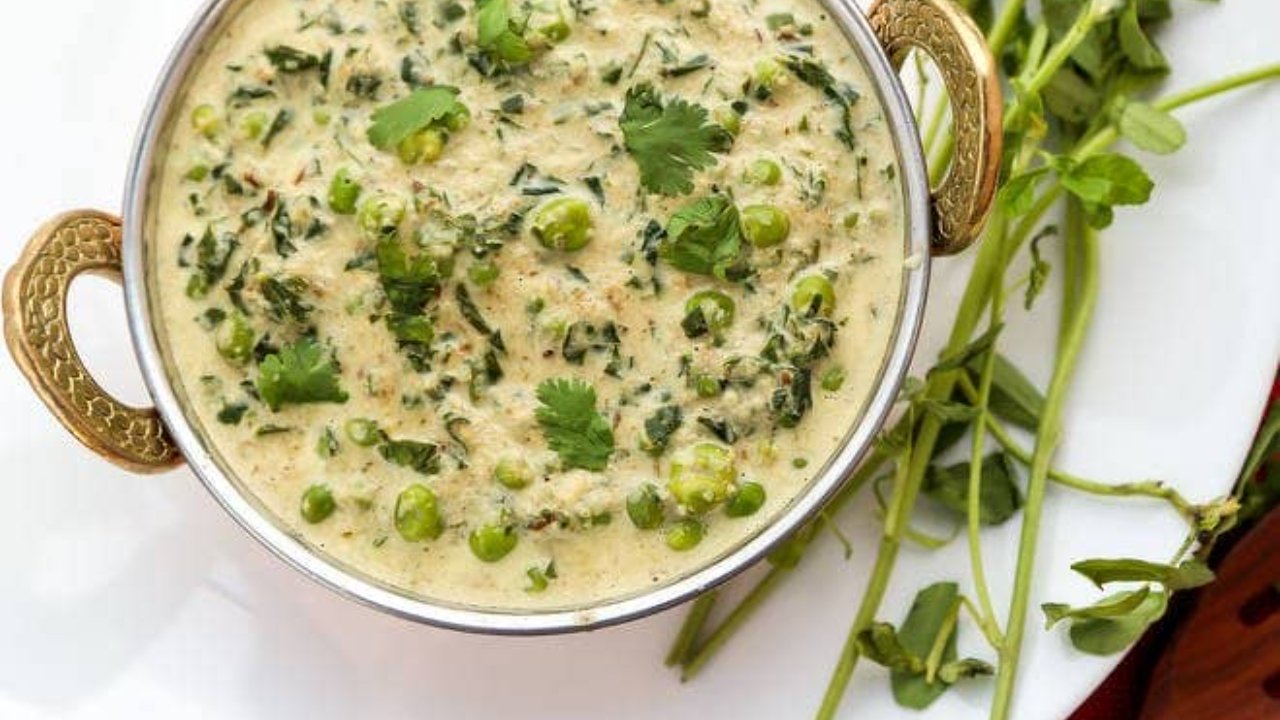
If you’re a fan of Indian cuisine, you’ve likely encountered dishes that strike a perfect balance between bold flavors and comforting richness. Methi Matar Malai is one such gem—a creamy, aromatic curry that combines the earthy bitterness of fenugreek leaves (methi), the natural sweetness of green peas (matar), and the indulgent smoothness of cream (malai).…