
There’s something undeniably magical about a homemade pizza—fresh dough stretched by hand, vibrant toppings layered with care, and the aroma of melting cheese wafting through the kitchen. When it comes to vegetarian pizza, the possibilities are endless, turning simple ingredients into a feast for the senses. This recipe for homemade vegetarian pizza is your ticket to crafting a restaurant-quality pie in your own oven, tailored to your tastes and packed with wholesome flavors. Whether you’re a seasoned pizzaiolo or a first-time dough-kneader, this guide will walk you through every step—from making the perfect crust to piling on colorful, meat-free toppings. Let’s roll up our sleeves, preheat the oven, and dive into the art of creating a vegetarian pizza that’s as satisfying to make as it is to eat.
The Joy of Vegetarian Pizza: Why It’s a Winner
Pizza is a universal language, and its vegetarian incarnation speaks volumes about creativity and flavor. Swapping out meat for a medley of vegetables doesn’t just cater to dietary preferences—it elevates the dish with fresh, earthy notes and a rainbow of textures. Homemade vegetarian pizza offers the freedom to experiment, whether you crave the simplicity of a classic Margherita or the boldness of a veggie-loaded masterpiece. It’s a canvas for seasonal produce, a chance to indulge without guilt, and a crowd-pleaser for gatherings or cozy nights in.
This recipe fits perfectly into the “Blog” category as a culinary journey, “By Dietary Preference” for its vegetarian focus, and “Cooking Method” for its baking technique. While it takes about an hour from start to finish (including dough rising), the hands-on time is manageable, making it ideal for both beginners and seasoned cooks. Let’s explore the ingredients and techniques that will bring your pizza dreams to life.
Ingredients: Building a Flavorful Foundation
A great vegetarian pizza starts with quality components. Here’s what you’ll need for one 12-inch pizza (serves 2-4):
For the Dough:
- All-Purpose Flour: 2 cups (about 250g), plus extra for dusting. Bread flour works too for a chewier crust.
- Active Dry Yeast: 1 teaspoon (or 2¼ teaspoons if using instant yeast).
- Warm Water: ¾ cup (about 110°F/45°C), to activate the yeast.
- Olive Oil: 1 tablespoon, for richness and elasticity.
- Salt: 1 teaspoon, for flavor.
- Sugar: 1 teaspoon, to feed the yeast.
For the Sauce:
- Canned San Marzano Tomatoes: 1 cup (about 240g), crushed or blended. Fresh tomatoes work too if in season.
- Olive Oil: 1 tablespoon, for depth.
- Garlic: 1-2 cloves, minced, for a subtle kick.
- Dried Oregano: 1 teaspoon, for that classic pizza vibe.
- Salt: To taste.
- Sugar: A pinch, to balance acidity (optional).
For the Toppings:
- Mozzarella Cheese: 1-1½ cups (about 150-200g), shredded or fresh, for that gooey melt.
- Bell Peppers: 1 small, sliced (red, yellow, or green), for color and crunch.
- Mushrooms: ½ cup, sliced (cremini or button), for earthiness.
- Red Onion: ¼ cup, thinly sliced, for a sharp bite.
- Cherry Tomatoes: ½ cup, halved, for sweetness.
- Fresh Basil: A handful of leaves, for fragrance and freshness.
- Olive Oil: A drizzle, for finishing.
Feel free to customize—swap in zucchini, spinach, olives, or artichokes based on your pantry or preferences. The beauty of vegetarian pizza is its adaptability.
Equipment: Setting Up for Success
You don’t need a pizzeria to make this happen, but these tools help:
- Mixing Bowl: For dough prep.
- Measuring Cups and Spoons: For precision.
- Rolling Pin: Optional, for shaping (hands work too).
- Pizza Stone or Baking Sheet: A stone mimics a pizza oven; a sheet is a solid backup.
- Parchment Paper: For easy transfer and cleanup (if using a sheet).
- Oven: Preheated to 475°F (245°C) or higher.
With your ingredients and tools ready, let’s craft a pizza that’s as delicious as it is beautiful.
Step-by-Step Instructions: From Dough to Delight
Step 1: Make the Dough
In a small bowl, combine warm water, sugar, and yeast. Stir gently and let sit for 5-10 minutes until foamy—this means the yeast is alive and ready. In a large mixing bowl, whisk together flour and salt. Make a well in the center, pour in the yeast mixture and olive oil, and mix with a spoon or your hands until a shaggy dough forms. Turn it onto a lightly floured surface and knead for 5-7 minutes until smooth and elastic. Form into a ball, place in an oiled bowl, cover with a damp towel, and let rise in a warm spot for 45 minutes to 1 hour, until doubled in size.
Step 2: Prepare the Sauce
While the dough rises, heat 1 tablespoon of olive oil in a small saucepan over medium heat. Add minced garlic and sauté for 30 seconds until fragrant. Stir in the crushed tomatoes, oregano, and a pinch of salt (and sugar if needed). Simmer for 10-15 minutes, stirring occasionally, until thickened. Set aside to cool—this can be made ahead and refrigerated for up to a week.
Step 3: Preheat and Prep
Place a pizza stone in the oven (if using) and preheat to 475°F (245°C) for at least 30 minutes—high heat is key to a crisp crust. If using a baking sheet, line it with parchment paper. Punch down the risen dough, transfer it to a floured surface, and roll or stretch it into a 12-inch circle. Don’t worry about perfection—a rustic shape adds charm. Transfer the dough to the parchment or a pizza peel dusted with flour or cornmeal (for the stone).
Step 4: Assemble the Pizza
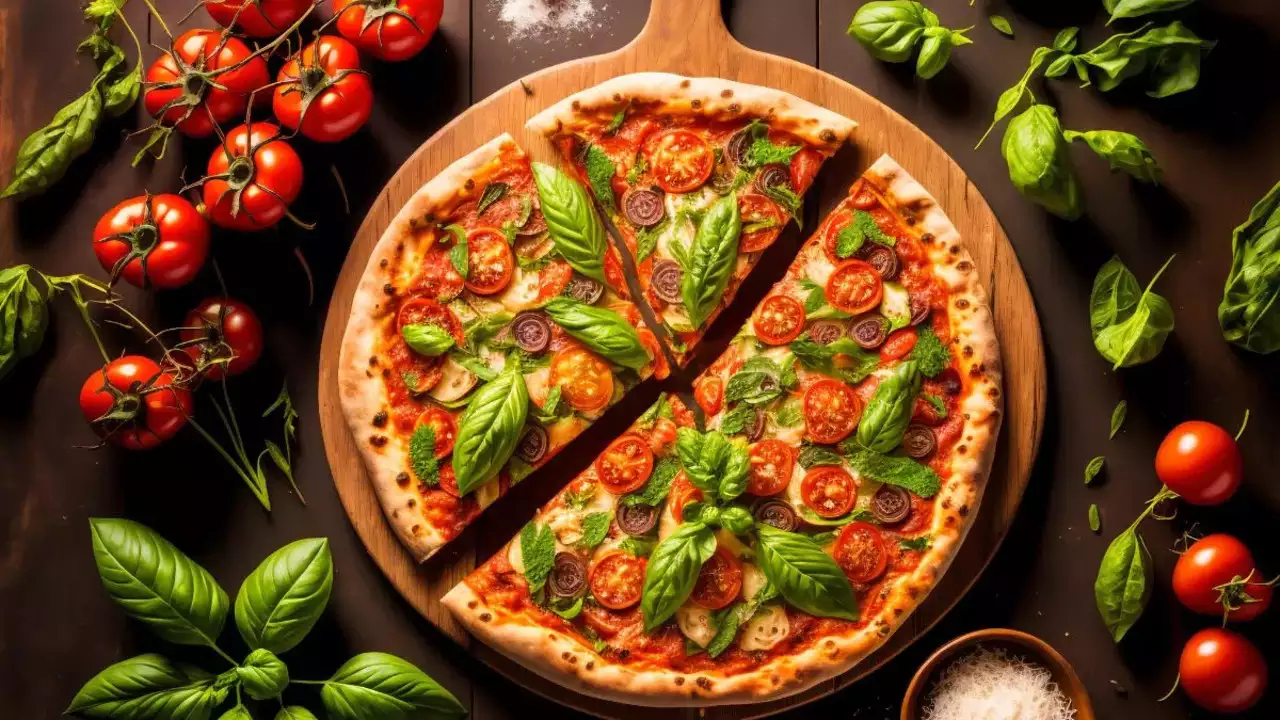
Spread a thin, even layer of sauce (about ½ cup) over the dough, leaving a ½-inch border for the crust. Sprinkle mozzarella evenly across the sauce—less is more to avoid sogginess. Arrange your toppings: bell peppers, mushrooms, red onion, and cherry tomatoes, distributing them for balance and color. Resist overloading—let each ingredient shine.
Step 5: Bake to Perfection
Slide the pizza (with parchment, if on a sheet) onto the hot stone or place the baking sheet in the oven. Bake for 10-15 minutes, until the crust is golden, the cheese is bubbly and slightly browned, and the veggies are tender. Rotate halfway through if your oven heats unevenly. For an extra-crisp base, bake directly on the stone for the last 2-3 minutes (remove parchment first).
Step 6: Finish and Serve
Remove the pizza from the oven and drizzle with a little olive oil. Scatter fresh basil leaves over the top for a burst of aroma. Let it cool for 2-3 minutes, then slice with a pizza cutter or sharp knife. Serve hot, with a sprinkle of red pepper flakes or Parmesan if desired. Enjoy the fruits of your labor—this is pizza at its homemade best.
Tips for Success: Elevating Your Pizza Game
- Yeast Check: If it doesn’t foam, your yeast is dead—start over with fresh yeast and proper water temp.
- Thin Crust Secret: Stretch the dough thinly but evenly; too thick, and it won’t crisp.
- Pre-Cook Veggies: Sauté mushrooms or watery veggies like zucchini first to avoid a soggy pie.
- Cheese Balance: Use a light hand with mozzarella—too much can overwhelm the toppings.
- Stone Advantage: A pizza stone absorbs heat and mimics a brick oven; preheat it fully for best results.
Variations: Endless Vegetarian Possibilities
- Margherita Classic: Tomato sauce, fresh mozzarella, basil—simple and timeless.
- Mediterranean Twist: Add olives, feta, and spinach for a Greek flair.
- Spicy Kick: Toss on jalapeños or a drizzle of hot honey.
- Pesto Power: Swap tomato sauce for basil pesto and top with roasted veggies.
Pairing Suggestions: Completing the Meal
Pair your vegetarian pizza with a crisp green salad—arugula with lemon vinaigrette cuts the richness. A glass of chilled white wine (like Pinot Grigio) or a sparkling soda with lime complements the flavors. For dessert, fresh berries or a scoop of gelato keep it light and refreshing.
The Science of a Great Crust
A crisp crust relies on high heat, minimal moisture, and proper gluten development. Kneading builds structure, while the hot oven (and stone) evaporates water fast, creating that golden crunch via the Maillard reaction. It’s kitchen chemistry at its tastiest.
Nutritional Insights: Wholesome Indulgence
A slice (⅛ of the pizza) offers about 200-250 calories, with carbs from the dough, protein from cheese, and fiber from veggies. It’s vegetarian-friendly and can be lightened with less cheese or a whole-grain crust, aligning with mindful eating without sacrificing flavor.
A Nod to Tradition: Pizza’s Vegetarian Roots
Pizza began as a peasant food in Naples, often meat-free with tomatoes, herbs, and cheese. The vegetarian ethos runs deep, and this homemade version honors that legacy while embracing modern tastes. It’s a global dish with a personal twist—your kitchen, your rules.
Conclusion: A Pizza Worth Making
Homemade vegetarian pizza is a celebration of simplicity, creativity, and flavor—a dish that invites you to play, taste, and share. With a chewy crust, tangy sauce, and a bounty of fresh toppings, it’s proof that meatless doesn’t mean flavorless. Whether you’re feeding a crowd or treating yourself, this recipe delivers satisfaction in every bite. So, fire up your oven, stretch that dough, and let your inner chef shine. Here’s to pizza night, vegetarian-style— Buon appetito!